Mid-City sits between downtown New Orleans and the lakefront, split by the Canal Street streetcar line, and its biggest recent commercial driver has nothing to do with tourism. It's the medical district built up around the hospital campuses on the neighborhood's southern edge.
The Medical District Changed the Math Here
The hospital campuses near Canal and Claiborne brought steady daytime population into a part of Mid-City that used to be mostly residential and light commercial, and that shift shows up in demand for medical office, short-term rental, and service retail catering to hospital staff and visiting families.
A building a few blocks from the medical district benefits from that traffic. A building further out along Carrollton or toward Bayou St. John depends on the neighborhood's own residential base instead, which is a different tenant profile entirely. City Park, one of the largest urban parks in the country, sits at Mid-City's northern edge and adds its own seasonal draw for nearby restaurant and retail tenants tied to festival and event programming there, distinct from either the medical district or the bayou-side residential demand.
Bayou St. John and the Older Housing Stock
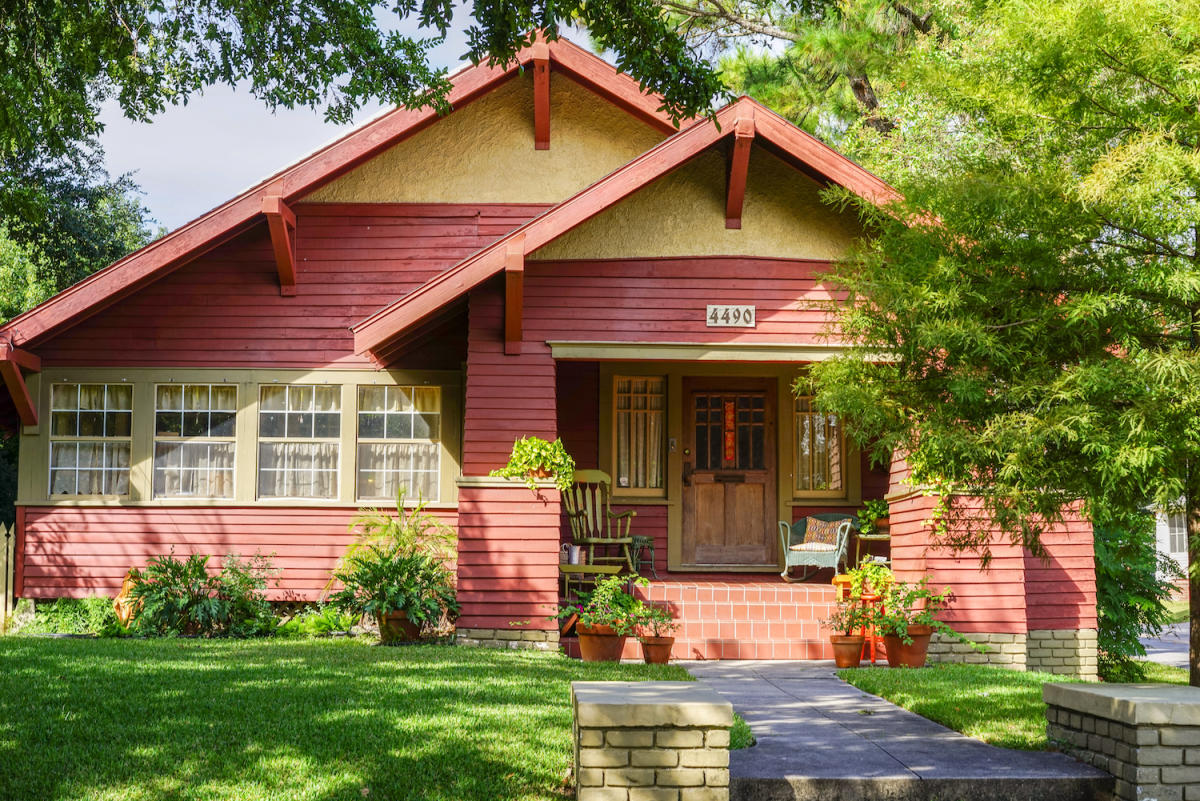
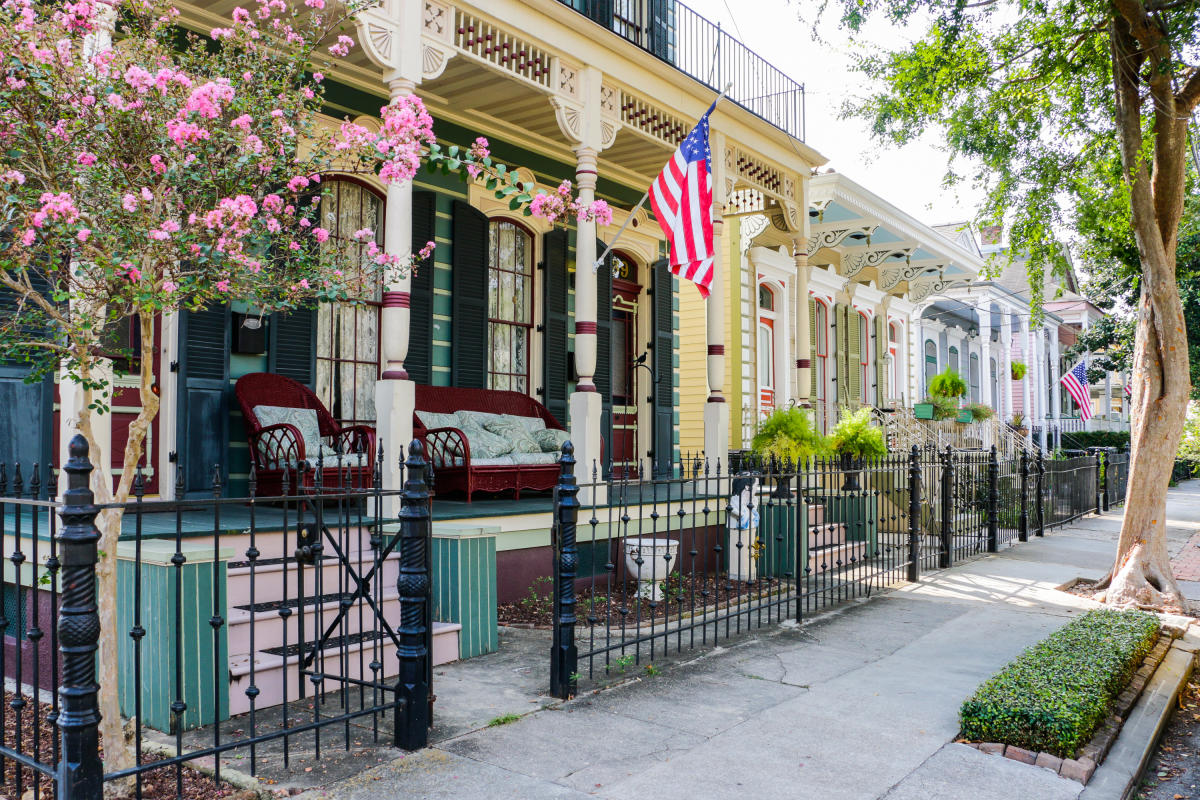
Much of Mid-City's residential rental stock sits in older shotgun and camelback structures near Bayou St. John and City Park, and small multifamily conversions of these buildings are common. That older housing stock comes with older wiring, older plumbing, and roofs that may not have been touched in decades.
A rent roll that looks strong on paper can hide a building that needs real capital work in the first year of ownership, so walk the mechanical systems personally rather than rely on the seller's disclosure alone. Bayou Road, one of the oldest commercial streets in the city, runs through the southern edge of Mid-City and has redeveloped in recent years into a corridor of small independent restaurants and shops that draws on both neighborhood and citywide demand, distinct from the hospital-adjacent retail closer to the medical district.
Property Types Trading in Mid-City
- small multifamily conversions of shotgun and camelback housing
- medical and professional office near the hospital campuses
- neighborhood retail along Canal Street and Carrollton
- mixed-use buildings with ground-floor commercial
- service retail catering to hospital staff and visitors
Drainage and Low Ground Near the Bayou
Parts of Mid-City sit at lower elevation than the natural levee ridge running along the river through Uptown, and the neighborhood took on water during Katrina, though less catastrophically than Lakeview or Gentilly further toward the lake.
Ordinary heavy rain can still pool in the lowest pockets near Bayou St. John before the pump system catches up. Run insurance and flood-zone diligence block by block, since Mid-City's flood risk varies more within the neighborhood than it does compared to some of its neighbors.
The Jefferson Davis Parkway drainage corridor and the pump stations feeding it work continuously during the wetter months, and older commercial buildings along that corridor sometimes show water staining or foundation wear that predates any single named storm, simply from decades of ordinary ponding before a repair or elevation project addressed it. A property condition assessment here should note whether any such work has actually been completed, not assume it from a clean-looking facade.
Comparing Mid-City to the Rest of the Central Corridor
Mid-City sits within a short drive of the Central Business District, Lakeview, and Uptown, and investors often shortlist all three alongside Mid-City when building an identification list, since each offers a different tenant profile at a similar price point.
If the preferred Mid-City property is tied up in probate or has unclear ownership, common in older New Orleans housing stock passed down through families, a backup in one of those neighboring submarkets keeps the exchange on schedule. The Canal Street streetcar line running through the heart of Mid-City also gives it a transit connection to both the CBD and the cemeteries and museums further out Canal, which factors into how walkable and rentable a given block is relative to one just off the line.
Common 1031 Exchange Questions
What changed the Mid-City commercial market most in recent years?
The build-out of the medical district near Canal and Claiborne, which brought steady daytime population and new demand for medical office and hospital-adjacent retail.
Is older Mid-City housing stock a good bet for replacement income?
It can be, but budget for deferred maintenance. Many shotgun and camelback conversions haven't had major system upgrades in decades, even when the rent roll looks solid.
Does all of Mid-City carry the same flood risk?
No. Elevation varies within the neighborhood, and the lowest pockets near Bayou St. John are more exposed than blocks closer to the natural levee ridge toward Uptown.
Why do title issues come up so often in Mid-City transactions?
Much of the housing stock has been passed down through families for generations, and succession or probate issues on the title are common in older New Orleans neighborhoods generally, so it is worth ordering a title search early rather than waiting until late in the identification window.
Should I identify a backup outside Mid-City?
Yes. The Central Business District, Lakeview, or Uptown all sit within a short drive and offer different tenant profiles that can substitute if the Mid-City deal doesn't close in time.
Does proximity to City Park affect Mid-City commercial value?
It can, particularly for restaurant and event-adjacent retail tenants who benefit from festival and park-driven foot traffic, though that demand is more seasonal than the steady daytime draw from the medical district.