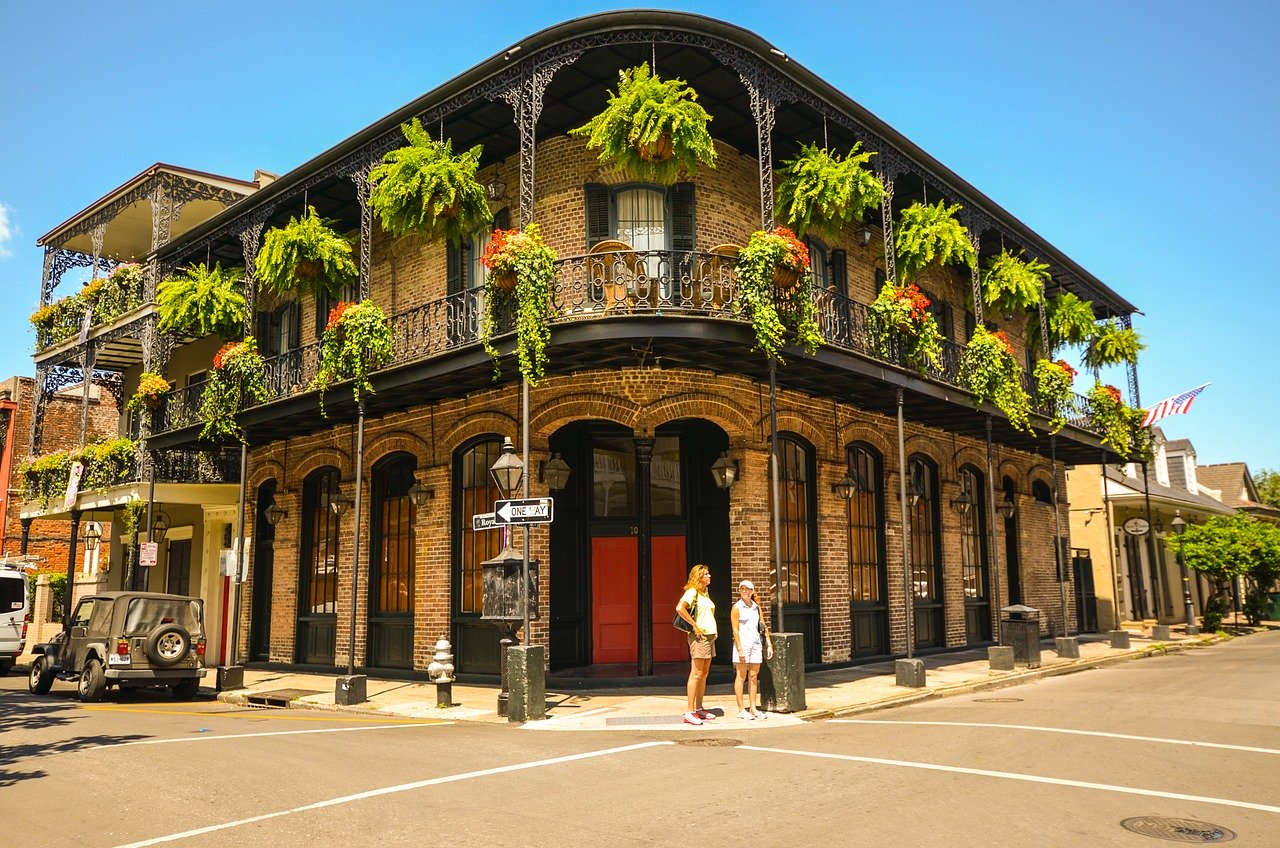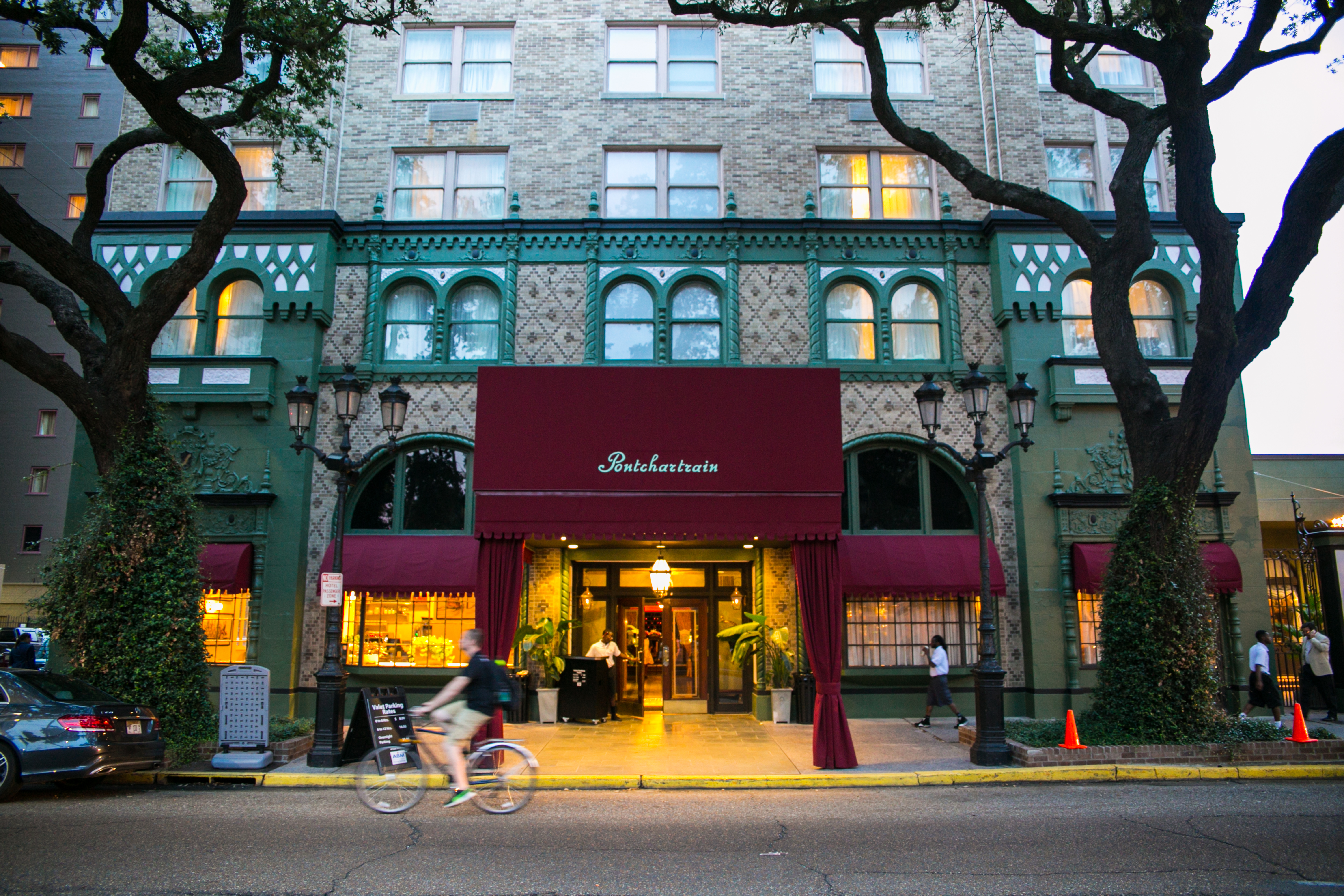
The Warehouse District is a strip of nineteenth-century brick warehouses between the Central Business District and the river, converted over the last three decades into lofts, offices, hotels, and gallery space. Its flood history is different from most of the rest of New Orleans because it sits on the same high ground that runs along the natural levee. The National WWII Museum and the surrounding cultural institutions have anchored a meaningful share of the district's redevelopment momentum over the past two decades, drawing steady visitor traffic into what was previously a largely industrial, after-hours-empty part of downtown.
Why These Buildings Look the Way They Do
Most of the district's commercial stock started as cotton and produce warehouses built to move goods off the riverfront, thick brick walls, heavy timber floors, tall ceilings, and loading-dock footprints that don't always convert cleanly to modern office or retail use.
Redevelopment here has leaned heavily on historic tax credits, which come with their own preservation rules, window replacements, facade work, and structural changes all need approval that a standard commercial renovation elsewhere in the city wouldn't require. Confirm historic-district status before pricing any capital work. The Piazza d'Italia, a public plaza on the district's edge, marks roughly where the neighborhood's warehouse identity gives way to the newer residential towers that have gone up nearer the river in recent years, and that boundary is worth knowing when comparing a candidate property's architectural and lease profile to its immediate neighbors.
Julia Street and the Convention Center Pull
Julia Street anchors the district's gallery and arts scene, drawing steady foot traffic tied to gallery openings and tourism rather than daily neighborhood shopping. The Convention Center on the district's edge drives a separate demand stream, hospitality, short-term event space, and restaurant tenants whose income rises and falls with the convention calendar rather than staying flat month to month.
Ask what share of a tenant's business actually depends on convention traffic versus steady local demand before treating the income as stable. The Contemporary Arts Center and the Ogden Museum, both within the district, add a cultural draw distinct from the Convention Center's event calendar, and a nearby restaurant or gallery tenant may track one demand pattern more than the other depending on its specific location within the district.
What Actually Trades in the Warehouse District
- converted loft and office buildings in historic brick structures
- ground-floor gallery and restaurant retail along Julia Street
- boutique hotel and hospitality-adjacent commercial space
- condo-titled commercial units with shared association obligations
- small mixed-use buildings near the Convention Center
Condo Association Documents Are Part of the File Now
A large share of Warehouse District commercial space sits inside condo-titled buildings, where the unit owner shares building-wide maintenance and insurance costs through an association. That structure means a buyer needs the association's budget, reserve study, and any pending special assessments as part of due diligence.
A strong rent roll on a unit doesn't mean much if the building's shared roof or elevator needs a large special assessment next year. Older converted warehouse buildings in particular often carry aging freight elevators original to their industrial use, and the cost of modernizing one to current code can be substantial when it eventually comes due, whether that cost is shared through the association or falls to a single owner depending on the building's governing documents.
This District's High Ground Doesn't Mean No Diligence
Because the Warehouse District sits on higher ground near the river, it took less flood damage historically than lakeside neighborhoods, and that's a genuine advantage on insurance cost. It doesn't remove the need for real diligence, though.
A nineteenth-century brick building has its own maintenance profile, and a buyer should get a structural and roof inspection specific to that construction type rather than assume a dry flood history means the building is otherwise sound. Mortar composition and repointing history matter more here than in a modern building, since century-old brick walls depend on that mortar to manage moisture, and a building with deferred repointing can develop water intrusion issues unrelated to any flood event at all.
Common 1031 Exchange Questions
Does historic tax credit status affect what I can do with the building later?
Yes. Buildings redeveloped using historic tax credits carry preservation obligations, and exterior or structural changes typically require approval that wouldn't apply to a non-historic building elsewhere in the city.
How dependent is Warehouse District income on the Convention Center calendar?
It varies by tenant. Hospitality and event-adjacent restaurant tenants can see real swings tied to the convention schedule, while gallery and office tenants are generally less exposed to that cycle.
What should I check on a condo-titled commercial unit?
Pull the association's financials, reserve study, and any pending special assessments. A strong individual lease doesn't protect against a large building-wide capital cost landing on the unit owner.
Is the Warehouse District genuinely lower flood risk than the rest of New Orleans?
Generally yes, given its position on higher ground near the river, but that doesn't replace the need for a structural inspection appropriate to century-old brick construction.
Should a Warehouse District exchange also consider the CBD or Garden District?
It's a reasonable comparison. Both submarkets sit nearby and offer different but related commercial profiles that can serve as backups on an identification list.
Does an aging freight elevator affect a building's exchange value?
Not its like-kind status, but it should factor into the purchase price and post-closing capital budget. Confirm the elevator's maintenance history and any modernization requirements before finalizing the offer.