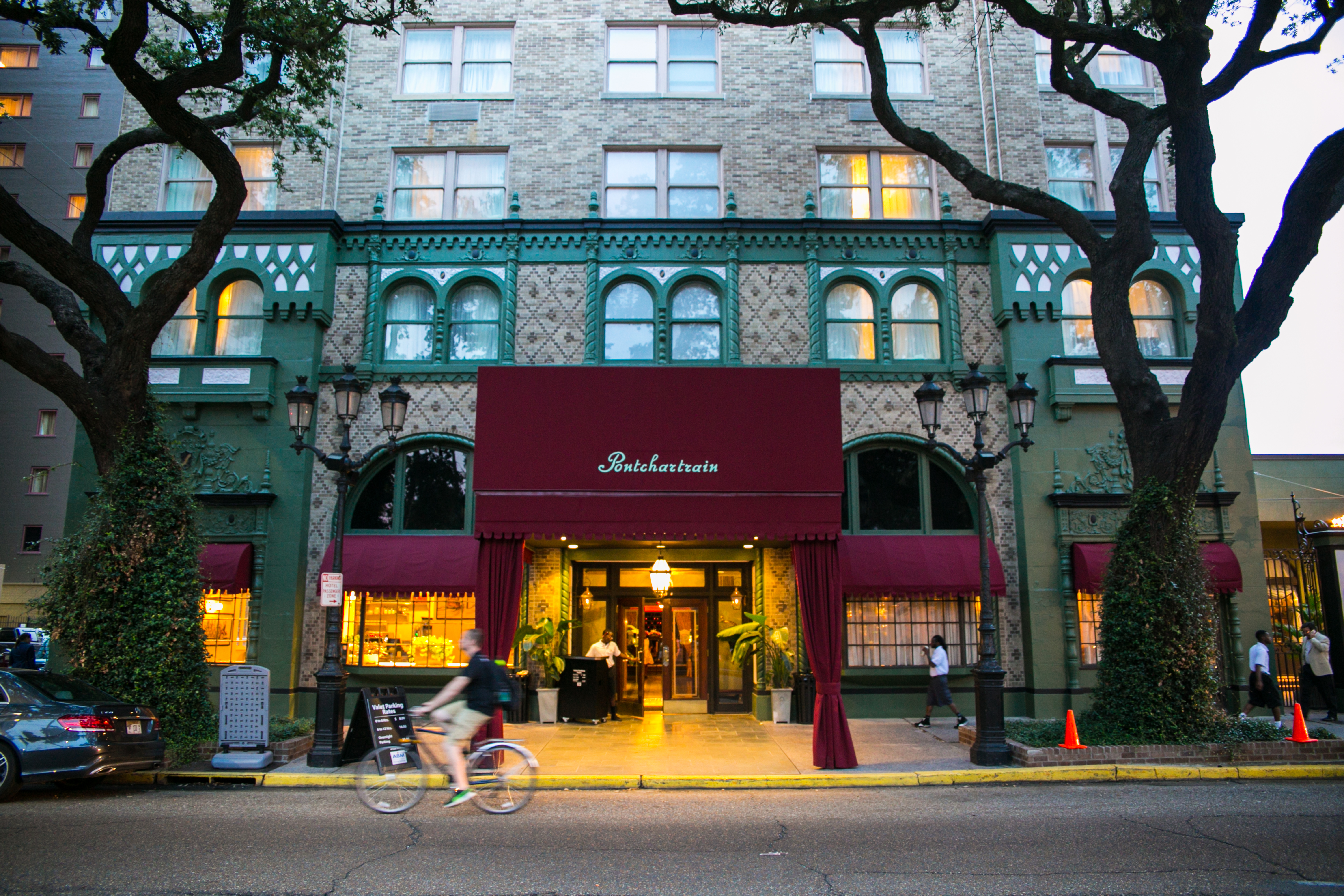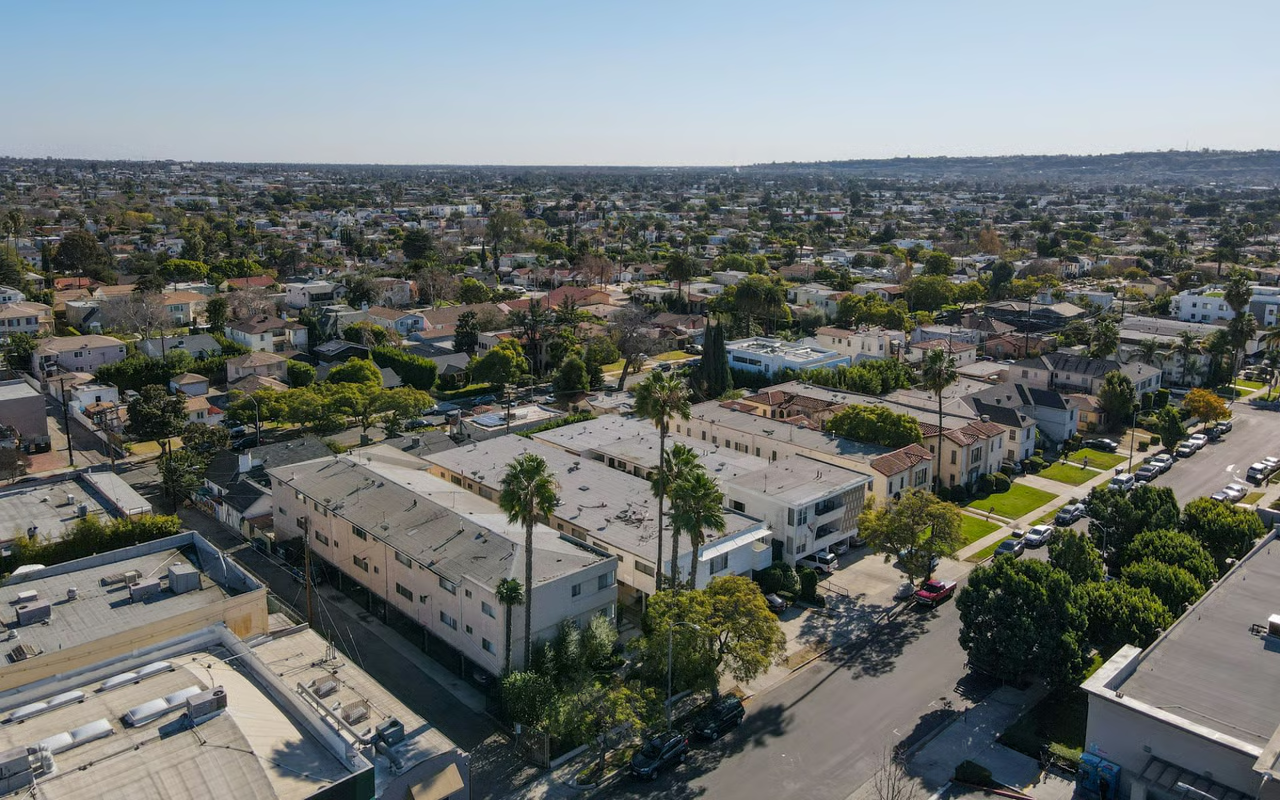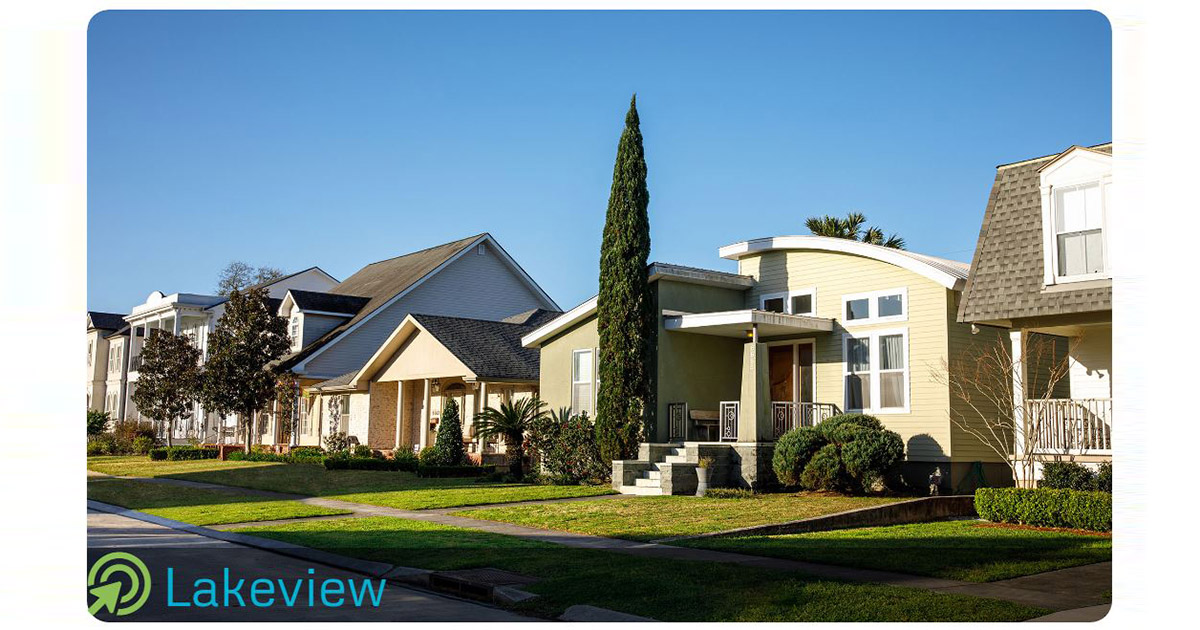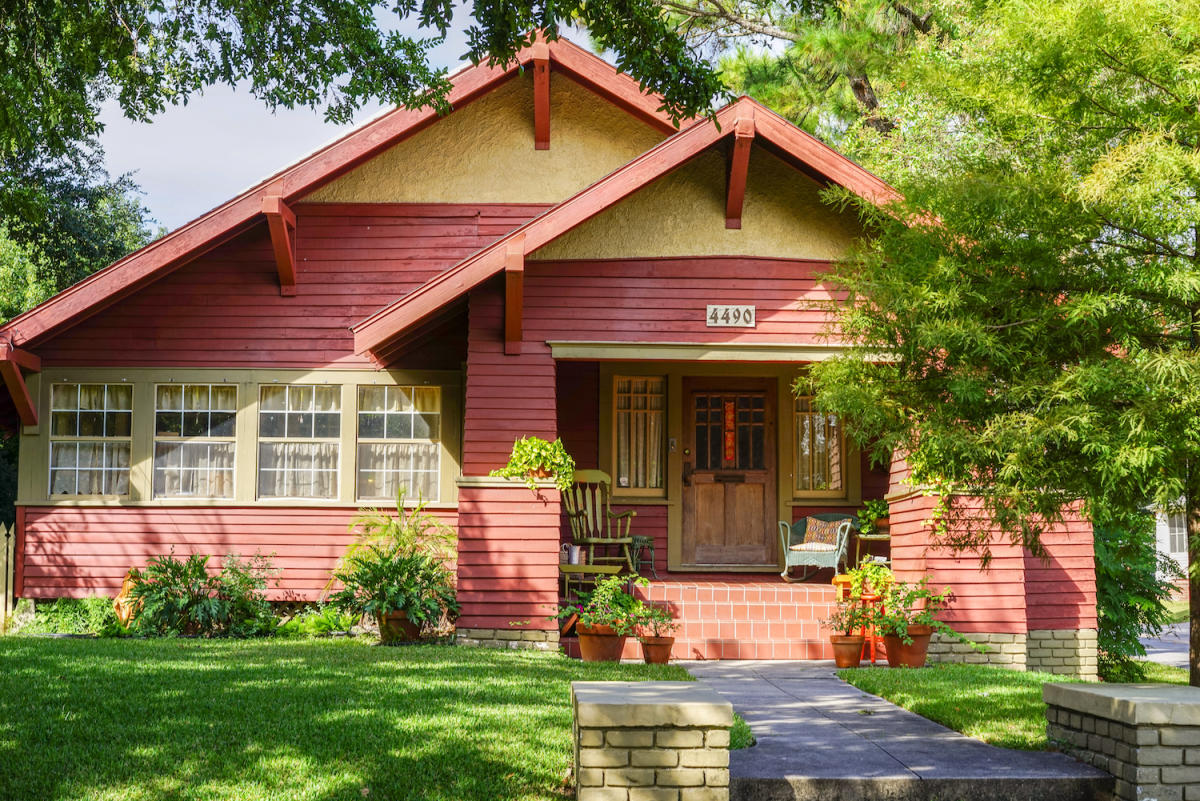
The Garden District is mansions and streetcars, and while most of it is single-family residential that never touches a 1031, the edges along St. Charles Avenue and Magazine Street carry real investment property: converted multifamily, small mixed-use buildings, and boutique retail. An exchanger working this area needs to know exactly where that investment-grade edge sits.
Where the Investment Property Actually Sits
Large historic homes along St. Charles have in some cases been divided into apartments or short-term rental units, and those conversions trade on unit count, condition, and how carefully the division was permitted. Along Magazine Street, ground-floor retail with residential or office space above is the more common commercial format, serving a steady local shopping and dining crowd rather than the tourism traffic that drives the Quarter.
Because so much of the Garden District is owner-occupied historic housing, the pool of true income property is smaller than the neighborhood's name recognition suggests. The St. Charles Avenue streetcar line runs the length of the neighborhood and gives it a transit-adjacent character that many comparable historic districts elsewhere in the South do not have, which factors into how both residential conversions and Magazine Street retail get valued relative to walk score and streetcar proximity.
Garden District Property Categories
- converted historic multifamily along St. Charles Avenue
- ground-floor retail with residential or office above on Magazine Street
- small boutique commercial buildings
- short-term rental units in divided historic homes
- professional office in converted residential structures
Elevation Along the River Ridge
Like the Quarter and Uptown, the Garden District benefits from sitting on the natural levee ridge along the river, which keeps its flood risk profile better than lower-lying parts of the city. The bigger underwriting issue here is usually the condition of the building itself: century-old wiring, plumbing, and foundation work in a historic home converted to rental units needs real inspection, since deferred maintenance can be hidden behind a well-kept facade.
Raised pier-and-beam foundations, common throughout the neighborhood, also mean the crawl space underneath a converted historic home deserves its own inspection separate from the visible structure above, since moisture and pest issues in that space often go unaddressed for years without showing obvious signs at the living level.
Identification Timing on Divided Historic Property
Buying a divided historic multifamily building can involve confirming that the original conversion was properly permitted, since an undocumented unit split can complicate financing and insurance. That confirmation should start the moment a property goes on the identification list, not after, so it does not eat into the 45-day window or push the closing past the 180-day exchange period. Uptown and the Warehouse District, both nearby, are common alternates if a Garden District candidate needs more time to resolve permitting questions than the exchange calendar allows.
Weighing Short-Term Rental Income Honestly
Some divided historic homes in the Garden District operate as short-term rental units, and an exchanger should confirm that use is properly licensed with the city before treating that income as reliable for underwriting. Short-term rental regulation in New Orleans has shifted over time, and a building relying on that income stream carries more regulatory risk than one leased on standard long-term residential terms.
On the Magazine Street retail side, tenant mix matters: a corridor of independent boutiques and restaurants behaves differently from a chain-anchored strip elsewhere in the metro, with more variability in individual tenant performance but often stronger foot traffic overall. Reviewing actual sales history where available, beyond the asking rent alone, gives a clearer read on whether the retail income will hold after closing.
An exchanger should also confirm how parking is handled for a Magazine Street retail candidate, since on-street parking is limited and a building without dedicated spaces can lose customers to a competitor a block away with easier access. That detail rarely shows up in a basic listing sheet but affects tenant retention over the life of the lease.
Properties near Coliseum Square or Lafayette Cemetery No. 1 draw a steady stream of walking-tour traffic, which supports the boutique retail tenant base but also means a building's exterior maintenance is under closer public and neighborhood scrutiny than a comparable property tucked away from those landmarks. That scrutiny is informal, not regulatory, but it is worth factoring into how quickly deferred exterior maintenance should be addressed after closing.
Common 1031 Exchange Questions
Does an unpermitted unit conversion affect a property's like-kind status?
No, like-kind status depends on the property being held for investment, not on permitting history. But an unpermitted conversion can complicate financing and insurance, which affects whether the deal closes on time.
Can a single historic home divided into three rental units qualify as replacement property?
Yes, any real property held for investment or business use qualifies, regardless of size or unit count. The exchanger should confirm the rent roll and permitting documentation support the purchase price.
Why is inventory limited in the Garden District compared to its name recognition?
Most of the neighborhood is owner-occupied historic residential that never enters the investment market, so the pool of true income-producing property is smaller than the area's overall size suggests.
How does foundation or plumbing age affect financing on a Garden District building?
Lenders may require a property condition assessment on older buildings before funding, and deferred maintenance found during that review can affect loan terms or require escrow reserves.
What happens if permitting questions on a Garden District property are not resolved within 45 days?
The exchanger can still identify the property along with backups like Uptown or the Warehouse District, so the exchange is not dependent on a single unresolved building.