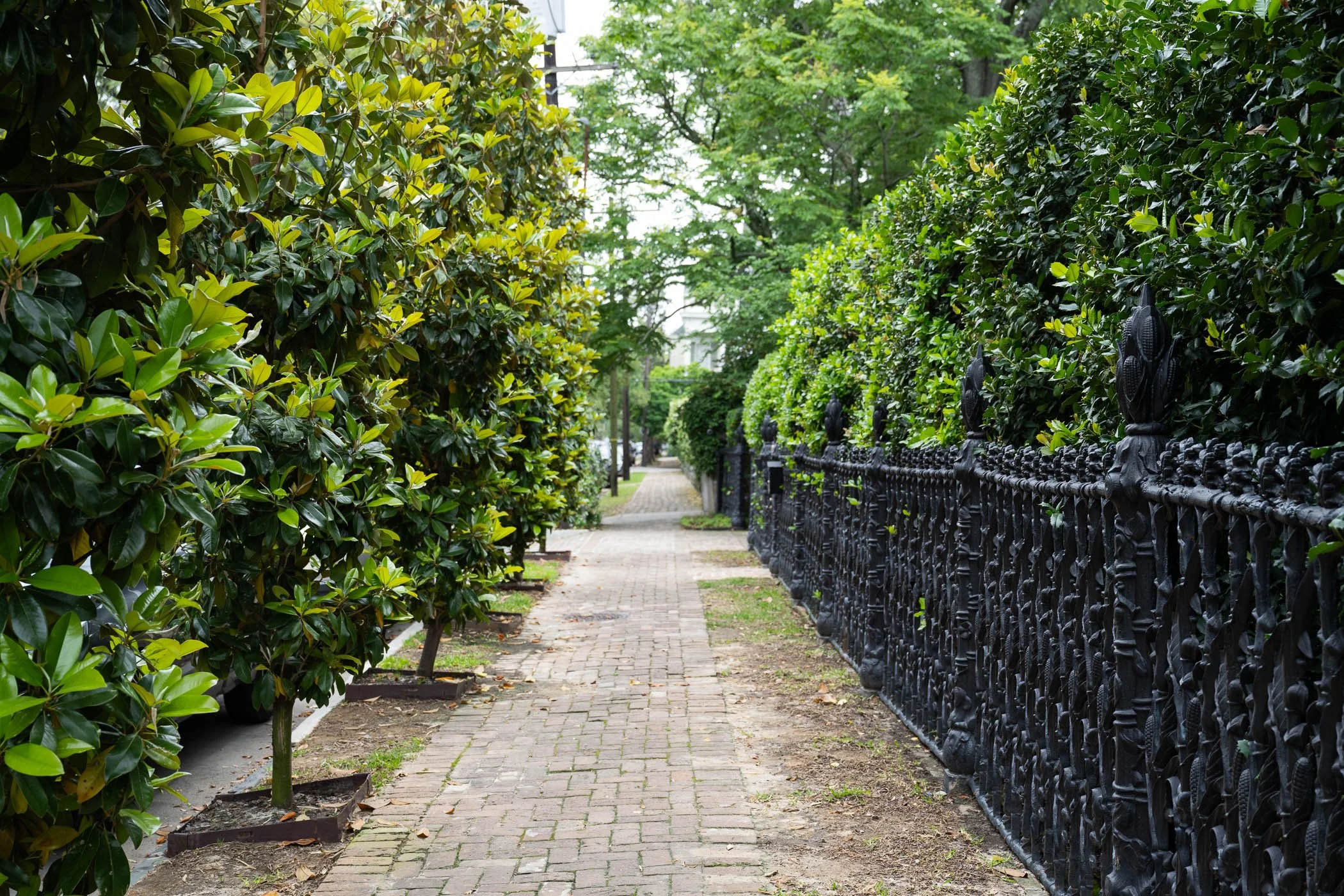
New Orleans is a compact city built on a river bend, and every commercial submarket inside it, the Central Business District, the Warehouse District, Uptown, Mid-City, Lakeview, Gentilly, New Orleans East, Algiers, carries its own flood history, its own building stock, and its own tenant base. An investor exchanging into the city broadly needs to pick a specific neighborhood story rather than treating the whole city as one name on a map.
One City, Several Different Flood Profiles
The natural levee ridge running along the river through the French Quarter, the CBD, and Uptown sits higher than the low-lying areas toward the lake, which is why those river-adjacent neighborhoods generally took less water during Katrina than Lakeview, Gentilly, or New Orleans East did.
The federal levee, floodwall, and pump system built after 2005 protects the whole city to a certified level, but flood insurance cost and elevation requirements still vary block by block depending on where a specific parcel sits relative to that ridge.
Old Buildings Come With Old Problems
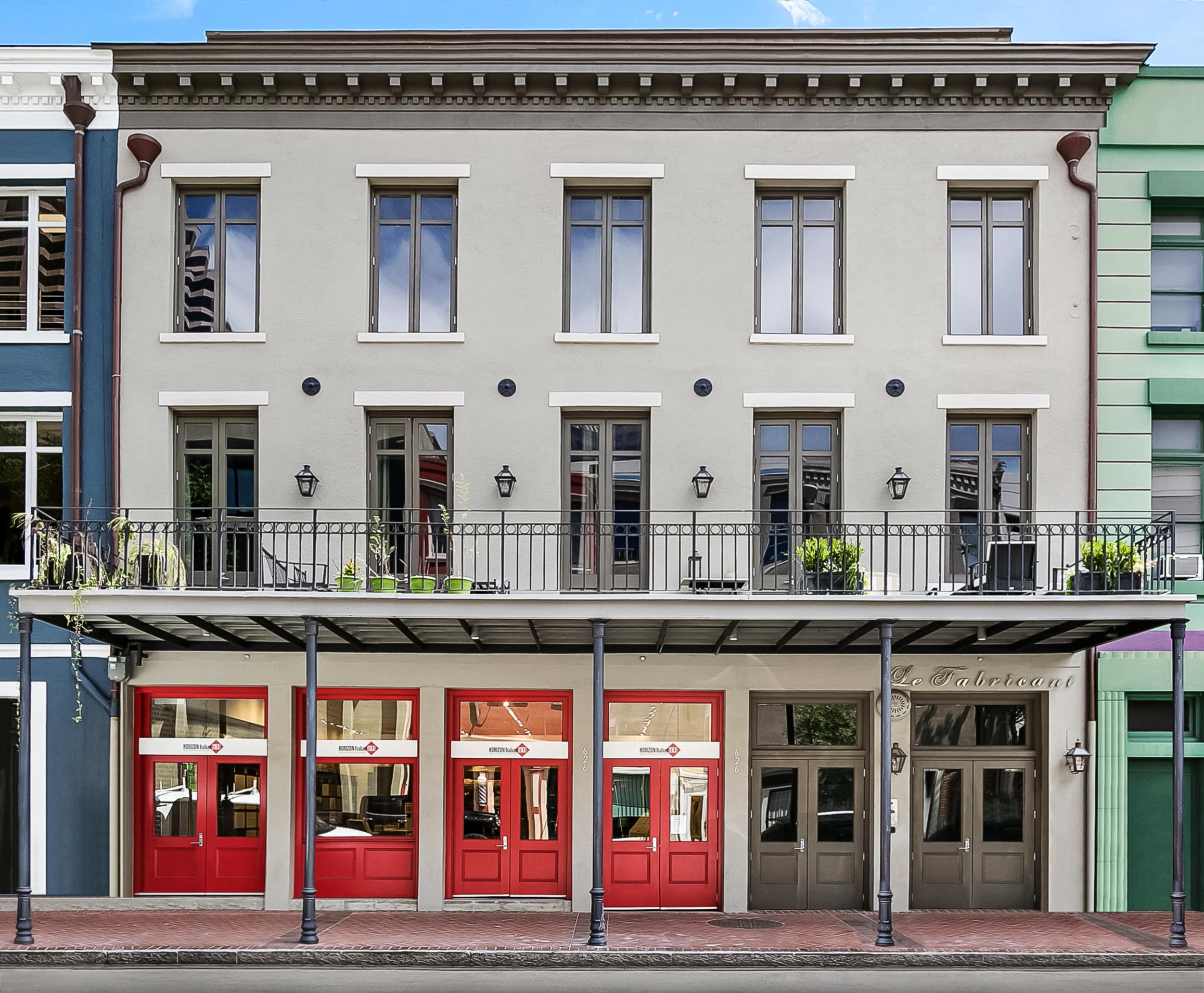
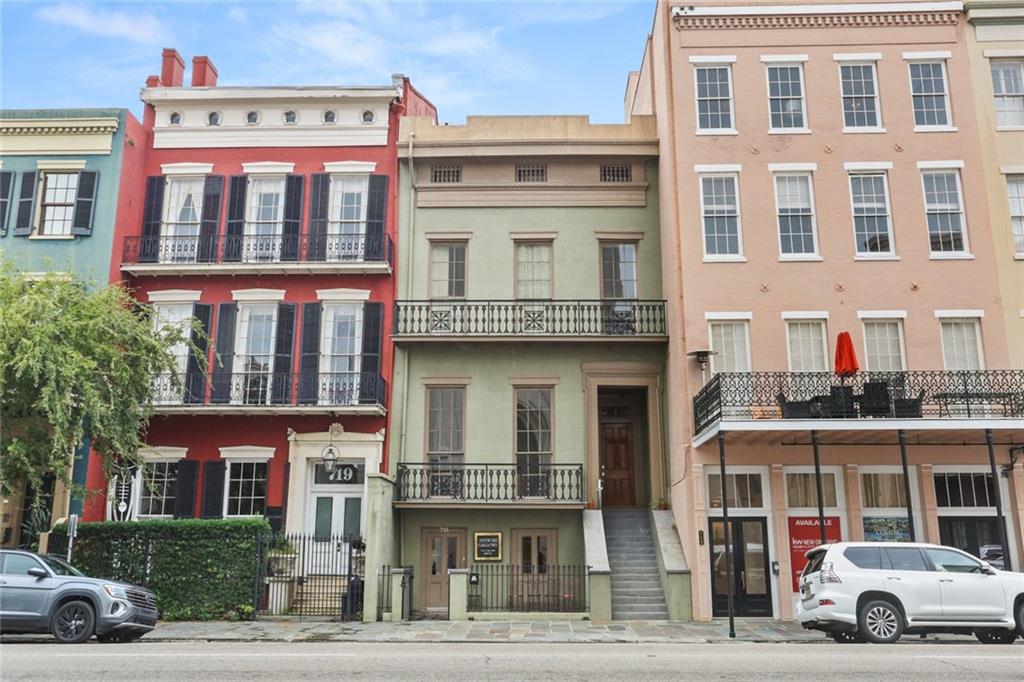
A large share of New Orleans commercial building stock predates modern building codes, and that shows up in electrical systems, roof condition, and foundation type. Many older commercial buildings here sit on brick pier foundations rather than slabs, which behave differently in wet soil than a modern foundation does.
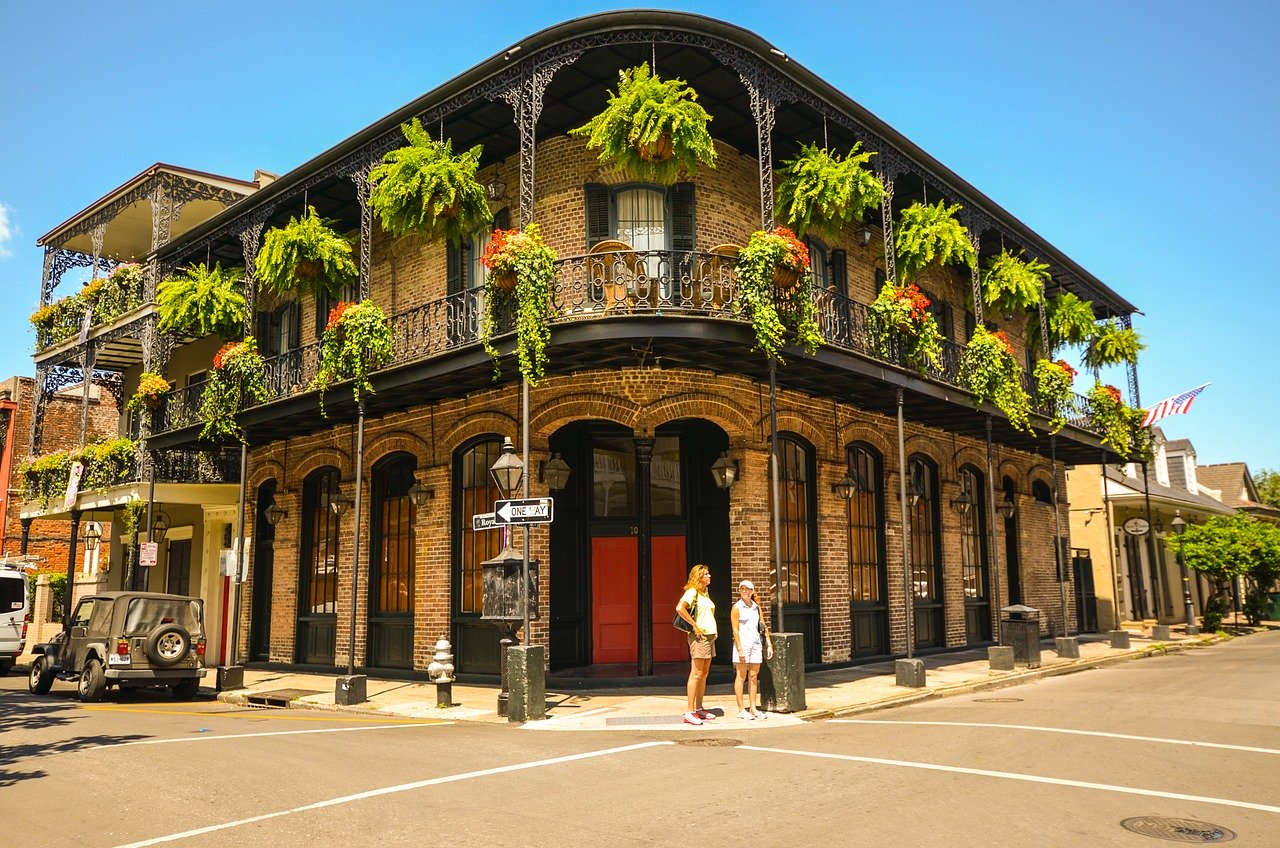
Any exterior work on a building inside a historic district also has to clear the local landmarks commission before a permit issues, which adds real time to a renovation timeline that a buyer coming from another market might not expect. The city has several overlapping historic district designations, the Vieux Carre Commission for the Quarter, the Historic District Landmarks Commission for most other older neighborhoods, and confirming which body actually has jurisdiction over a given parcel is a step buyers from outside the city sometimes skip.
The Kind of Property That Trades Across New Orleans
- small multifamily and mixed-use buildings citywide
- hospitality and short-term rental adjacent commercial
- neighborhood and street-level retail
- medical and professional office in several submarkets
- industrial and warehouse space near the port and rail corridors
- DST allocations for exposure without direct ownership
Title Work Takes Longer Here Than Most Markets
Louisiana runs on a civil-law system with its own inheritance and succession rules, and older properties passed down through families for generations often carry unresolved succession issues that a title company has to clear before a sale can close.
That's routine business here, but it's a real timeline risk on an exchange. Tell the qualified intermediary and title company upfront that the property is in New Orleans specifically, so they can start that review early rather than discovering it during the 180-day closing window. This issue tends to surface more often in older, family-held neighborhoods like Uptown or the Garden District than in newer commercial corridors like the CBD, but it can appear anywhere the property has a long single-family ownership history.
Choosing a Submarket, Not a City Overall
Because the city covers such different physical and economic conditions block to block, an identification list should name specific submarkets, the Central Business District, the Warehouse District, the Garden District, Metairie as an adjacent option, rather than treat the whole city as one interchangeable market.
A property in the CBD and a property in New Orleans East carry almost nothing in common except the mailing address, and underwriting them the same way is a mistake investors make when they haven't spent real time in the specific neighborhood. The port of New Orleans and the surrounding rail and highway infrastructure along the river also create a distinct industrial corridor that behaves differently from either the tourism-driven core or the residential neighborhoods further from the water, and it deserves its own separate evaluation rather than folding it into a generic citywide commercial picture.
Common 1031 Exchange Questions
Why does flood risk vary so much within New Orleans itself?
The city sits on a river bend with a natural levee ridge running along the water. Neighborhoods on that ridge, the French Quarter, the CBD, much of Uptown, sit higher than lake-side neighborhoods like Lakeview or Gentilly, which took worse flooding historically.
Does the whole city have the same building-code and permitting rules?
No. Historic districts add landmarks-commission review for exterior work, which doesn't apply outside those boundaries. Confirm a property's historic-district status before assuming a standard permit timeline.
Why do New Orleans title searches sometimes take longer than expected?
Louisiana's civil-law inheritance rules mean older family-owned properties often carry succession issues that need to be cleared before a sale. Engage a title company with local experience early in the process.
Is one New Orleans neighborhood interchangeable with another for exchange purposes?
No. Each submarket has its own flood history, tenant base, and price point. Treat the CBD, Uptown, Mid-City, and New Orleans East as genuinely different markets with their own underwriting requirements, not variations on the same deal.
Should a New Orleans exchange also consider Jefferson Parish?
Often, yes. Metairie and other Jefferson Parish submarkets sit immediately adjacent and can offer a useful comparison or backup, particularly for retail and office product, and the two parishes together give an exchanger a much wider genuine candidate pool than Orleans Parish alone.
Which historic preservation body reviews a given New Orleans property?
It depends on the district. The Vieux Carre Commission covers the French Quarter specifically, while the Historic District Landmarks Commission covers most other historic neighborhoods citywide. Confirm jurisdiction before assuming a standard permit timeline.