Algiers sits on the West Bank of the Mississippi, across the river from the CBD and the Quarter, and it runs on its own logic. Ferry and bridge access shape who can reach a property and how fast. Investors identifying replacement assets here are usually looking at Algiers Point rentals, Federal City redevelopment parcels, or light industrial along the river.
Two Different Algiers
Old Algiers Point is small lots, shotgun houses converted to duplexes and triplexes, and short-term or long-term rental income. It trades on walkability to the ferry landing and river views, not square footage. Federal City is a different animal: the former naval support base has been redeveloped into a mixed campus with office, light industrial, and institutional tenants, and parcels there move on lease terms and build condition, not neighborhood charm.
A qualified intermediary reviewing an exchange out of Algiers needs to know which side of that line the relinquished property sits on, because the replacement search and the underwriting are not the same exercise.
What Actually Trades Here
- small multifamily near Algiers Point and Behrman
- Federal City office and flex space
- marine and fabrication yard property along the riverfront
- neighborhood retail on General De Gaulle
- ground leases tied to institutional tenants
Elevation and Insurance
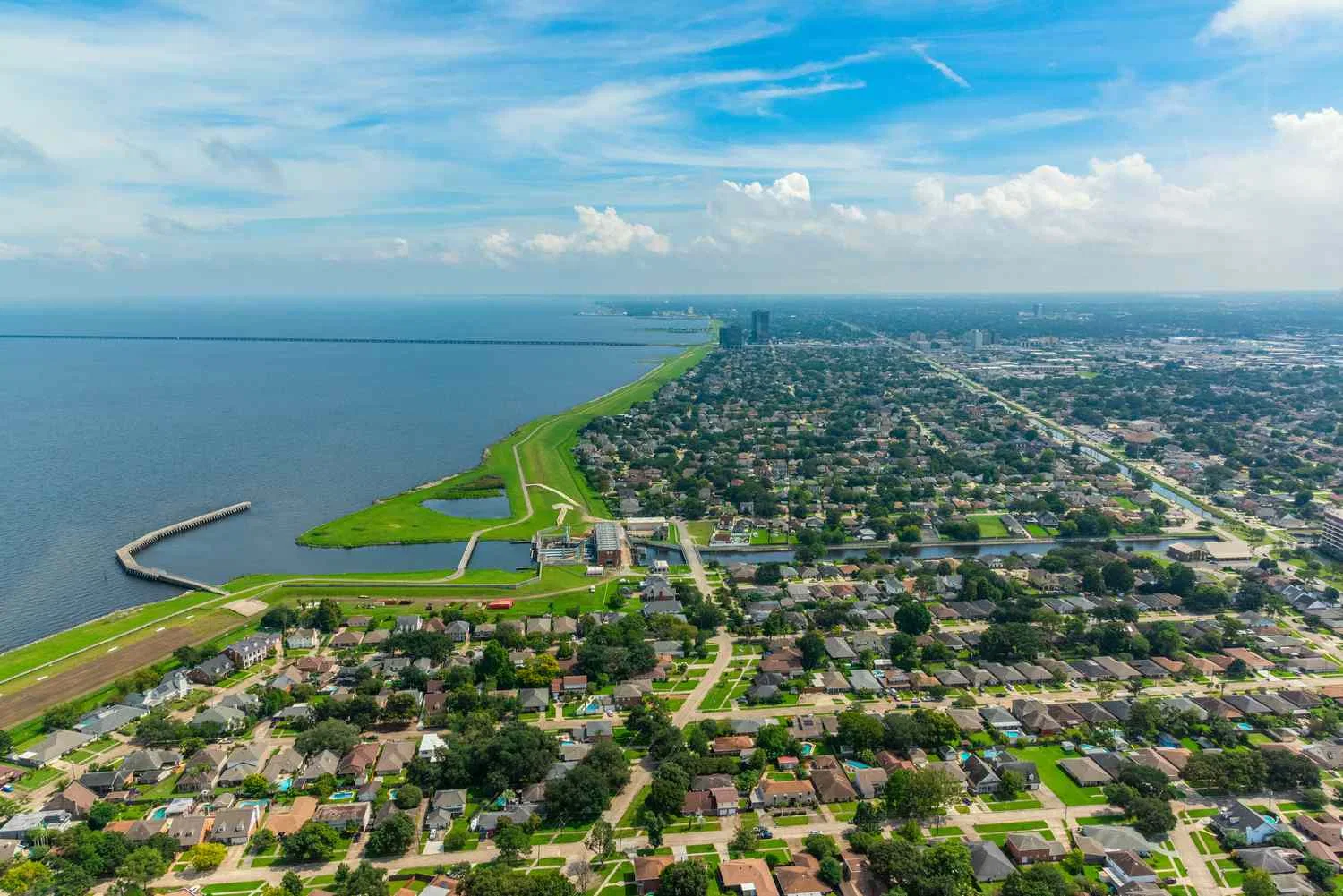
The batture ridge along the river gives Algiers Point and the older river-facing blocks some of the higher ground on the West Bank, which matters for flood insurance quoting on older buildings. Move a few blocks back toward Behrman or the Tullis-Kimbrough side of the neighborhood and elevation drops, slab height starts mattering, and the insurance line item changes the deal math fast.
Anyone running a 1031 into this area should pull the flood determination before setting a purchase price, not after. It changes financing terms and it changes the boot calculation if insurance escrow gets added at closing.
Older shotgun-to-duplex conversions near the ferry landing sometimes carry finished floor heights set decades before current base flood elevation maps existed, and a lender's appraiser will flag that gap even when the building has never actually flooded. Getting an elevation certificate updated before the property goes on the identification list, rather than waiting for the lender to request one mid-underwriting, keeps the 45-day window from being spent on paperwork instead of comparing candidates.
Identification Timing on the West Bank
The 45-day identification window does not stretch just because a property sits across the river. Title work on Federal City ground leases can run slower than a standard fee-simple deal, so an exchanger with a short list should confirm the parish records and any leasehold structure early, not during the countdown. If the Algiers candidate stalls, Gretna and Harvey sit close by with comparable industrial and retail stock and are worth naming as backups on the identification form under the three-property rule.
Working With the Qualified Intermediary Across the River
An exchanger closing out of an east-bank property and buying into Algiers should loop the qualified intermediary in on the ferry and bridge logistics as soon as inspections start, since scheduling a contractor or appraiser around limited ferry hours can add a day or two that would not come up on a same-bank deal. That is a small thing, but small delays compound when the 45-day identification clock is already running.
Rent rolls on Algiers Point short-term or long-term rental buildings should be checked against occupancy patterns tied to the ferry schedule and river-view demand specifically, not against citywide multifamily averages, since a two-block difference in walk distance to the landing changes the achievable rent more here than in most other parts of the market. Debt sizing on a Federal City lease should also confirm whether the underlying ground lease term, including renewals, comfortably exceeds the loan term the lender wants, since a mismatch there can slow down financing approval right when the exchanger needs the deal to move.
A boot calculation on an Algiers exchange deserves the same attention as the property search itself. If insurance escrow, ferry-related access easements, or repair credits get handled outside the standard purchase price at closing, that portion can be treated as taxable boot rather than tax-deferred exchange value, and it is worth reviewing the full closing statement with the exchanger's CPA before signing.
For an exchanger who wants West Bank exposure without taking on ferry-schedule logistics or ground-lease review, a Delaware Statutory Trust holding institutional-grade property elsewhere can be named on the same identification list as a Federal City or Algiers Point candidate. That combination gives the qualified intermediary a genuine fallback if title work on a specific parcel runs past what the 180-day exchange period allows, without forcing the exchanger to abandon the West Bank strategy entirely.
Common 1031 Exchange Questions
Does a Federal City ground lease qualify as like-kind replacement property?
Leasehold interests of 30 years or more, including renewal options, are generally treated as like-kind to fee ownership. The lease terms need to be reviewed with the exchanger's tax advisor before it goes on the identification list.
Why does flood zone matter for closing timing in Algiers?
Lenders often will not fund until an elevation certificate is in hand, and older Algiers Point buildings do not always have one on file. Ordering it early keeps the 180-day exchange period from getting squeezed at the end.
Can a duplex in Algiers Point replace a commercial retail property?
Yes, real property held for investment is like-kind to other real property held for investment regardless of asset type. The question is whether the value and debt replacement work for the exchange, not whether the use matches.
What happens if the Federal City parcel falls out of contract during the 45-day window?
The exchanger can still identify up to three properties, or more under the 200% rule, so a backup on the West Bank or in Gretna can be named without restarting the clock.
Who handles the exchange funds while the Algiers property closes?
The qualified intermediary holds the proceeds from the relinquished sale and cannot release them to the exchanger directly without triggering constructive receipt, which would void the exchange.