The CBD is where the tall buildings are: Poydras Street office towers, the Superdome and its surrounding hotel ring, convention-driven hospitality product. An exchanger working here is almost never dealing with a small deal, and the underwriting reflects that.
Office and Hotel, Not Much In Between
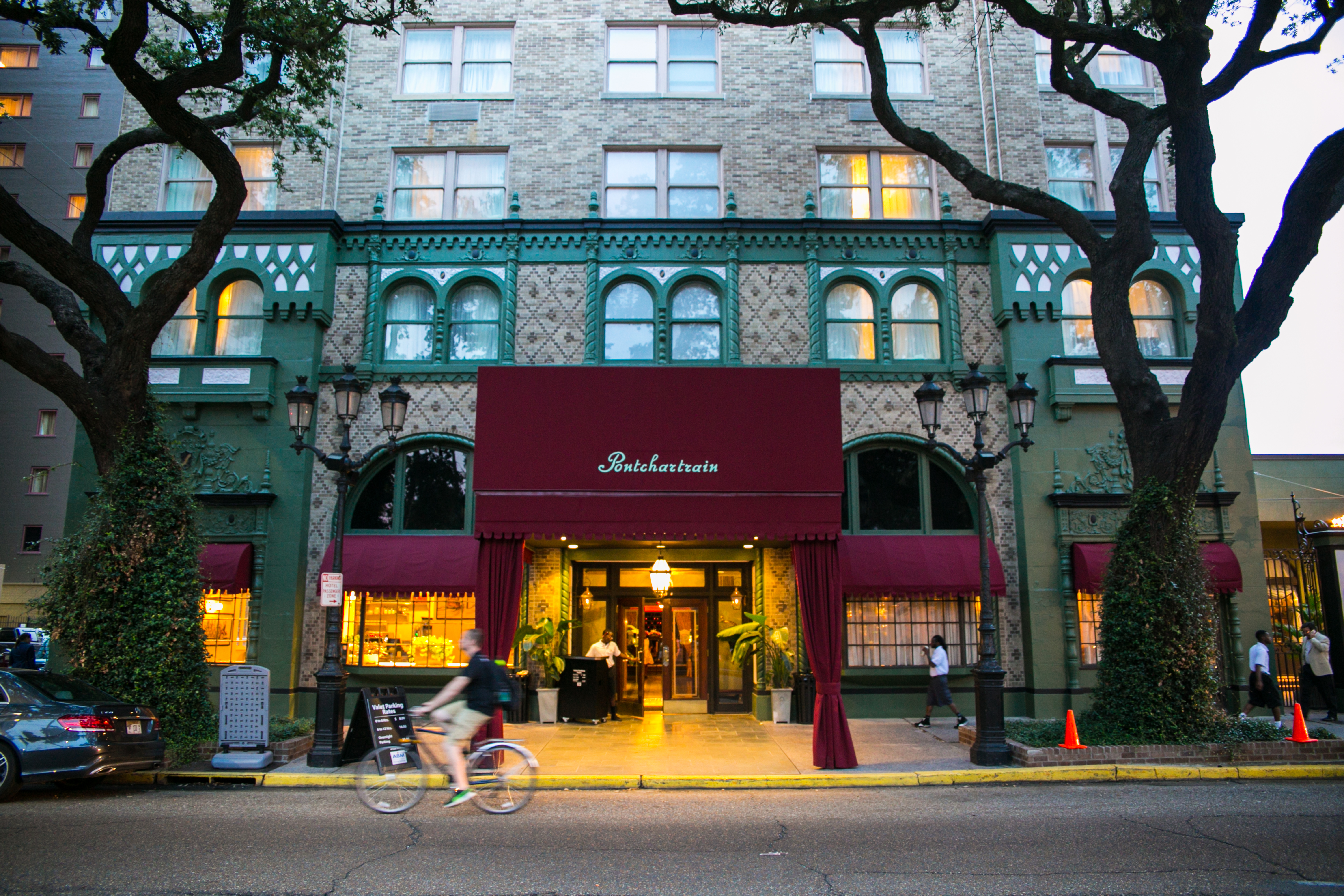
Class A and Class B office along Poydras and Loyola makes up most of the commercial square footage, with occupancy tied heavily to law firms, energy companies, and the port. Hospitality is the other major category, with hotel product ranging from full-service convention hotels near the Superdome to smaller boutique conversions in older office buildings.
Ground-floor retail exists but mostly serves the office and hotel population rather than standing on its own as a destination category, which affects how a retail replacement candidate here should be underwritten.
Downtown Property Categories
- Class A and Class B office towers along Poydras and Loyola
- full-service and select-service hotels
- parking structures serving office and convention demand
- converted office-to-residential buildings
- ground-floor retail tied to foot traffic, not destination shopping
Elevation Advantage, Not Immunity
The CBD sits on some of the higher natural ground in the city, part of the river's natural levee ridge, and that has always made it a preferred spot to build tall. That does not mean insurance and flood determinations disappear from underwriting. Basement parking and below-grade mechanical rooms in older towers still carry real exposure, and pump station capacity during heavy rain events is a known factor lenders ask about on office and hotel refinances.
Exchange Timing for Larger Deals
Office towers and full-service hotels take longer to close than a strip retail building, mostly because of lender due diligence, franchise approval on hotel flags, and estoppel collection across a large rent roll. An exchanger moving into the CBD should treat the 45-day identification window as the point to lock a short list, not the point to start touring buildings, and should confirm with the qualified intermediary how a DST allocation could backstop the exchange if the primary office or hotel deal slips past the 180-day mark.
Convention calendar timing is worth factoring into the closing schedule as well. A hotel deal that changes hands right before a major citywide convention can complicate the transfer of advance bookings, deposits, and staffing agreements in ways a quieter month would not, and an exchanger should ask the seller for the booking pace on the transition date specifically rather than assuming it will be handled smoothly as a formality at closing.
Rent Roll and Debt Review at This Scale
A CBD office tower rent roll needs a tenant-by-tenant read rather than a blended average, since a handful of large law firm or energy company leases rolling in the next two to three years can change the value story more than the headline occupancy number suggests. T-12 financials should be checked against actual collections rather than billed rent alone, particularly for any hotel component where revenue swings seasonally with convention and event calendars.
On the financing side, a CBD acquisition often needs a lender comfortable with structured parking, franchise-flagged hotel operations, or both, and not every regional lender underwrites those categories the same way. Confirming loan terms are workable before the property goes on the identification list avoids finding out mid-exchange that the intended debt structure will not close in time.
An exchanger should also confirm how the building's common-area maintenance charges are structured across the tenant roster, since older Poydras Street towers sometimes carry legacy lease language that caps how much of rising operating costs can be passed through to tenants. That gap between actual expenses and recoverable expenses affects net income more than most first-pass underwriting models assume, and it is worth pulling the full expense history rather than relying on a broker's pro forma alone.
Several older Poydras and Loyola towers built for a single major energy tenant have since been repositioned for a broader multi-tenant roster, and that repositioning history matters for underwriting. A floor plate designed decades ago around one anchor's layout does not always subdivide efficiently into smaller suites, and an exchanger should confirm the building's actual leasable efficiency after buildout costs rather than relying on the gross square footage listed in the offering memorandum.
Common 1031 Exchange Questions
Can hotel property qualify as replacement property in a 1031 exchange?
Yes, hotels held for investment or business use are like-kind to other real property, including office or retail. Personal property within the hotel, like furniture and fixtures, does not qualify and needs to be separated out in the purchase allocation.
Why do CBD office deals sometimes miss the 180-day exchange period?
Large office transactions involve estoppels from multiple tenants, lender third-party reports, and sometimes franchise approval on attached hotel components. Building in extra time for those steps, rather than assuming a standard closing timeline, helps avoid a late close.
Is a DST a realistic backup for a CBD exchange that is running out of time?
A Delaware Statutory Trust interest in institutional-grade property can be identified as a backup replacement and closed quickly since it does not require the same due diligence as a direct office or hotel purchase. It should be discussed with the exchanger's advisor before it goes on the list.
Does converting an old CBD office building to apartments affect its like-kind status?
No, the property remains real property held for investment either way. What changes is the underwriting, since a lender will look at construction risk and lease-up timeline differently than a stabilized office deal.
How does parking factor into a CBD building's exchange value?
Attached or nearby parking availability drives office and hotel value in the CBD more than almost any other single factor, since street parking is limited. It should be confirmed and documented before the property is added to the identification list.