We source multifamily replacement property for 1031 investors moving equity out of a relinquished apartment building and into new stock. We handle the property sourcing and paperwork coordination. Your qualified intermediary handles the exchange mechanics and your tax advisor signs off on the strategy.
The Building Stock We Work With
New Orleans multifamily runs from raised Creole cottages split into four units in Mid-City and Bywater, to mid-century garden apartment complexes in Gentilly and New Orleans East, to newer suburban-style complexes in Elmwood and along the Westbank in Harvey and Gretna. Each type carries different maintenance load and different insurance math, and we don't treat a raised double in a historic district the same as a 1980s garden complex on a slab.
Small multifamily inside the historic core also comes with exterior review requirements that affect how fast you can make repairs after closing. We note that on any candidate inside a local historic overlay. The raised foundation style common on older doubles and cottages also matters for flood insurance — a building with several feet of open crawlspace under the living area often qualifies for a better flood rating than a similar-looking building that's been enclosed underneath, so we check the foundation type on every candidate rather than relying on the listed square footage alone.
Submarkets Where Deal Flow Actually Moves
Uptown and Mid-City carry the bulk of small-plex trading — doubles, triples, and fourplexes with steady renter demand from students and hospital staff. Larger garden-style complexes trade more in Jefferson Parish — Elmwood, Metairie, and along Airline Drive — where lot sizes support 40 to 150 units. Gentilly and New Orleans East have post-Katrina rebuilt stock that trades at a discount to Uptown on a per-door basis, with the tradeoff being longer drive times to downtown employment.
- Raised doubles and fourplexes in Mid-City and Bywater
- Garden-style complexes in Elmwood and Metairie
- Post-rebuild garden complexes in Gentilly and New Orleans East
- Small infill multifamily near the Tulane and Loyola corridor
- Westbank complexes in Harvey and Gretna
Rent Roll and Occupancy Review Before Identification
Before any multifamily candidate goes on your 45-day list, we pull the current rent roll, check occupancy against trailing months, and flag units on month-to-month leases versus fixed terms. Section 8 concentration gets noted separately since it affects both financing and how a lender treats projected income. We also check whether the seller's stated rents match actual deposits, rather than trusting the number on a spreadsheet. On smaller plexes in particular, we've seen rent rolls that carry a unit at market rate when the actual tenant has been paying a reduced rate for years under an informal arrangement — that gap needs to surface before closing, not after.
Hurricane and Flood Insurance Math for Apartment Buildings
Multifamily insurance in this market has two separate cost lines: flood, tied to elevation and flood zone, and wind, tied to roof age and hurricane straps or clips. A building with a 20-year-old roof and no documented wind mitigation inspection is going to carry a materially higher premium than one with recent roof work and a wind mitigation form on file. We pull what's available on each candidate before it reaches your identification list, because a premium swing of a few hundred dollars per door changes the deal math fast on a multi-unit building.
Running the Timeline
Multifamily closings move at different speeds depending on whether the seller has a syndicated ownership structure or a single owner. We start building your candidate file the day your qualified intermediary confirms funds are in escrow, so the 45-day window isn't spent chasing basic seller documents. If a rent roll or insurance loss run is slow coming from a seller, we tell you early enough to adjust your identification list. Owners who've held a property for a long time sometimes need extra time to locate lease files or tax records, and we build that lag into our timeline estimate rather than assuming everything arrives the day we ask.
Where Multifamily Overlaps With Hospitality Demand
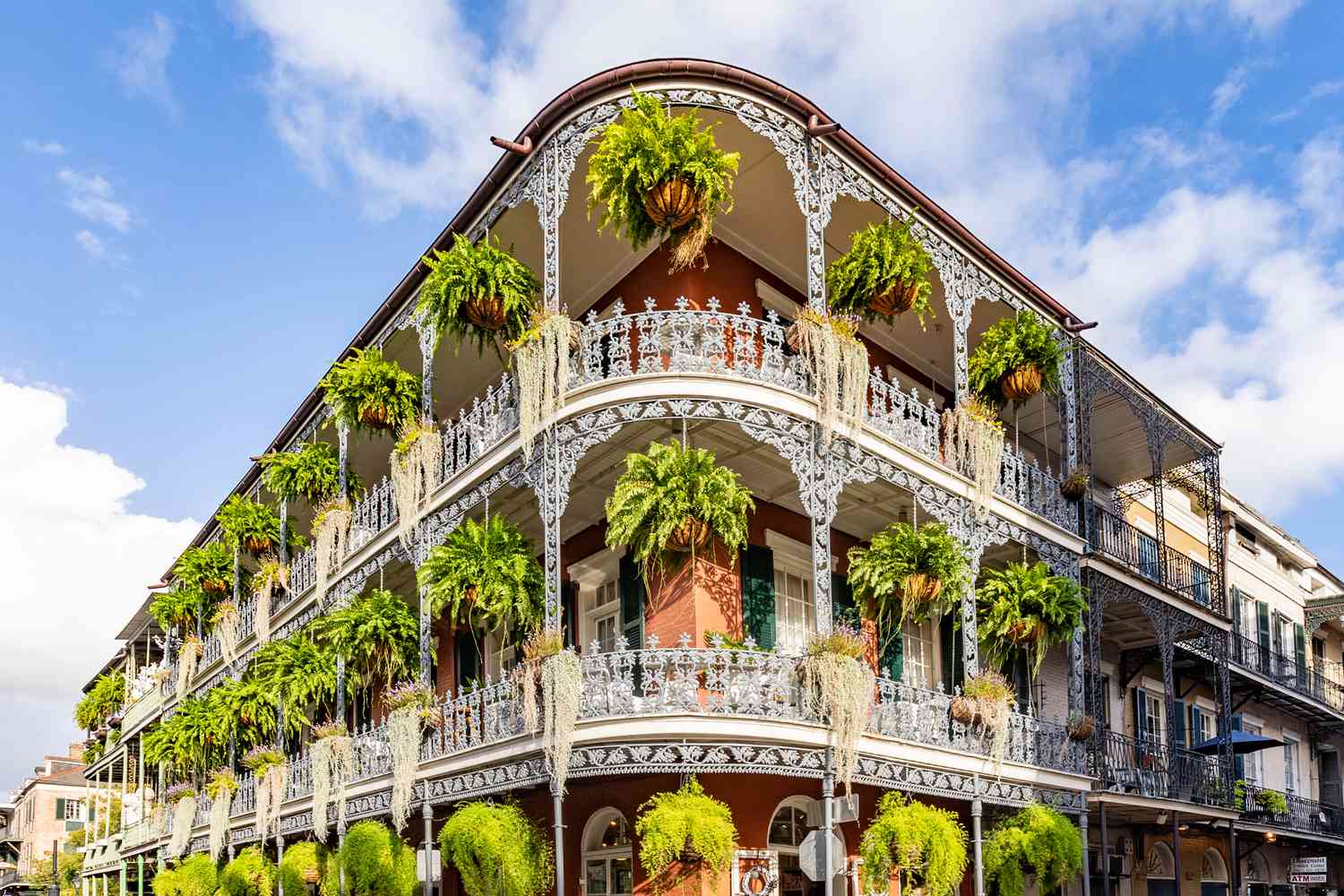
A handful of buildings close to the French Quarter and Marigny blur the line between multifamily and hospitality income, with a mix of long-term leases and units that have quietly shifted to nightly rental use over the years. We treat that mix as a flag, not a disqualifier, but we separate it clearly in the file so your lender is underwriting the actual lease income rather than an inflated blended number built partly on tourist rates. We also check the property's proximity to the tourism corridor against the city's current short-term rental rules, since a building that leaned heavily on nightly income under an older licensing regime may not be able to continue that use under current rules, which changes the realistic income picture going forward.
Common 1031 Exchange Questions
Do you source both small plexes and larger garden complexes?
Yes. We work both ends — a fourplex in Mid-City and a 100-unit complex in Elmwood use different underwriting, and we build the file to match the property type.
How do you handle buildings in a local historic district?
We flag exterior review requirements up front, since repainting or roof replacement in some districts requires a separate approval before work starts.
What insurance documents do you pull before identification?
Elevation certificate, flood zone designation, and whatever wind mitigation or roof age documentation the seller has on file. We hand that to your insurance broker rather than quoting premiums ourselves.
Can Section 8 tenancy affect my identification choice?
It can affect financing terms and how a lender treats the income, so we flag concentration levels rather than treating all occupied units the same.
How fast can a multifamily replacement close inside the 180-day period?
It depends on the seller's documentation and whether financing is involved. We push for rent rolls and loss runs early so the closing timeline isn't the bottleneck.
What if a building near the French Quarter has some units run as short-term rentals?
We separate that income from standard lease income in the file and check it against current short-term rental licensing rules, since a lender needs to underwrite the real, sustainable income rather than a blended figure that assumes nightly rates continue unchanged.