We source retail replacement property for New Orleans 1031 investors, from street-level buildings in tourist-heavy districts to neighborhood centers in the suburbs. Retail here splits sharply between tourism-driven and locally-driven demand, and that split has to shape your identification list well beyond the price per square foot.
Two Very Different Retail Markets in One City
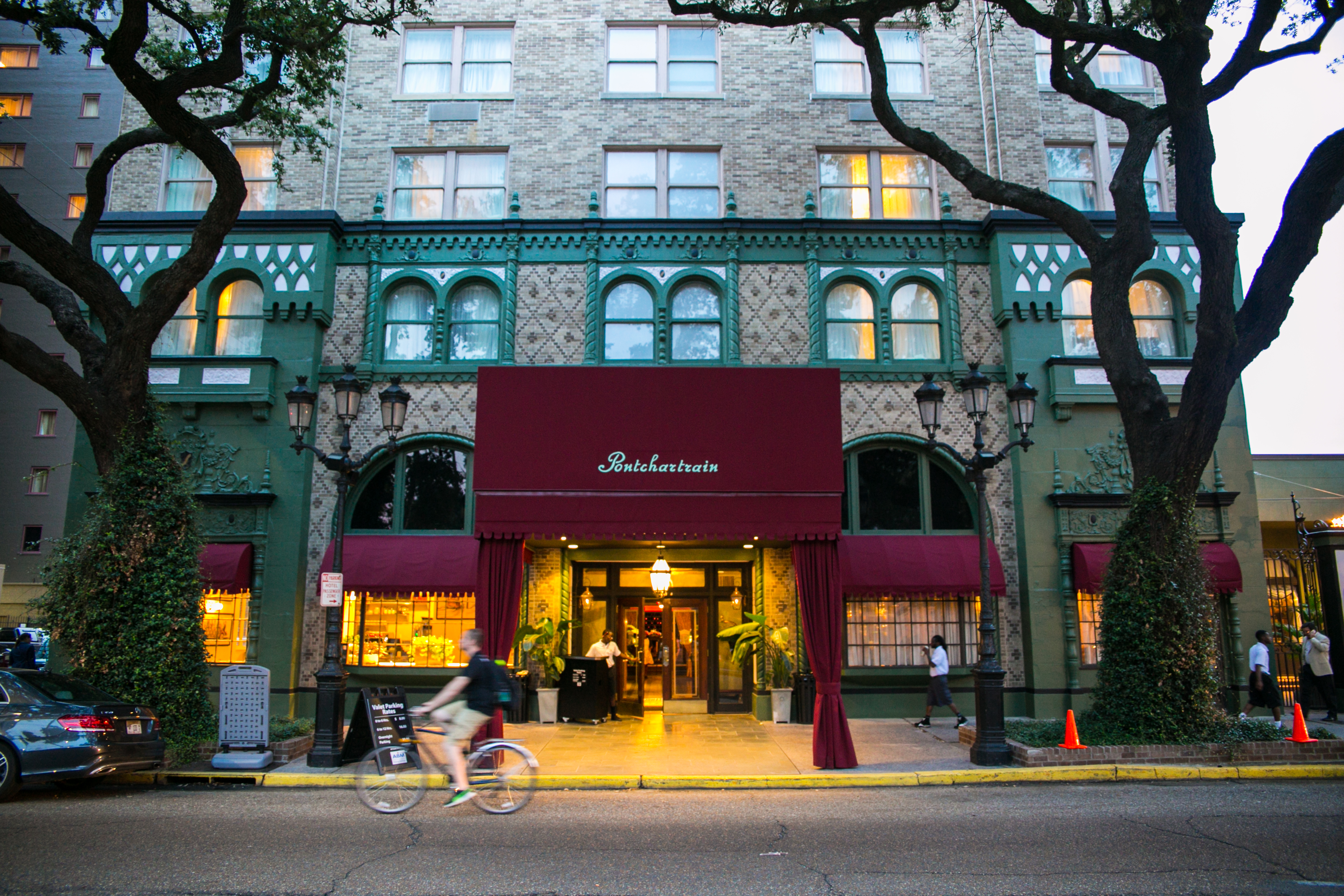
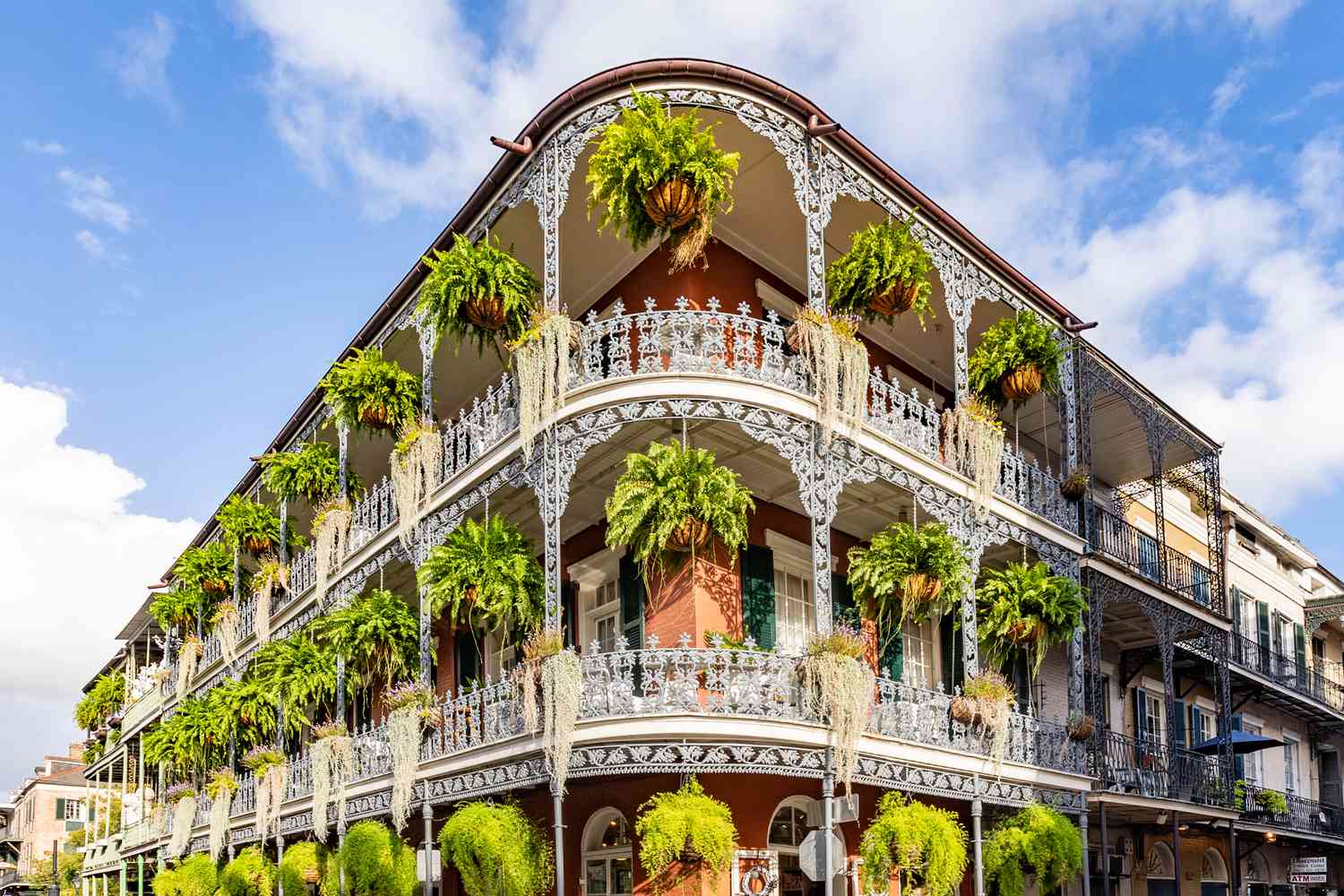
French Quarter and lower Magazine Street retail runs almost entirely on visitor traffic — souvenir shops, restaurants, bars, and galleries paying rents that reflect Bourbon Street and Royal Street foot counts rather than local household income. That income is real but it's seasonal and sensitive to convention calendars, cruise ship schedules, and anything that slows tourism. Neighborhood retail in Metairie, Kenner, and the Westbank runs on local rooftops and daily traffic counts instead, with tenants like grocery-anchored strip centers, pharmacies, and service businesses.
We ask which kind of income profile you actually want before we start pulling listings, because the diligence questions are different for each. A buyer chasing a French Quarter storefront should be comfortable with a Mardi Gras-to-summer income cycle, while a buyer looking at a Metairie strip center is underwriting steadier, less seasonal demand tied to household spending nearby.
What's on the Market by Submarket
The Warehouse District and Central Business District have older commercial buildings converted to street-level retail under residential or hotel floors above, often with historic district review requirements attached. Magazine Street runs a corridor of small retail buildings, mostly single-tenant, serving a mix of tourists and Uptown residents. Suburban Jefferson Parish carries the neighborhood centers and pad sites built for local grocery and service traffic.
- French Quarter and Royal Street tourist-facing retail
- Magazine Street single-tenant storefronts
- Warehouse District mixed-use ground floor retail
- Neighborhood centers in Metairie and Kenner
- Pad sites and outparcels along suburban corridors
Reading Leases in Tourism-Heavy Buildings
Percentage rent clauses show up more often in tourist-district leases than in suburban retail, where the landlord gets a base rent plus a cut of sales above a threshold. That means the seller's stated income can include a soft sales estimate. We ask for actual sales reports behind the percentage rent formula before a tourist-district property earns a slot on your list. We also check whether tenant improvements were paid by the landlord, since historic buildings often carry higher buildout costs that never get fully recovered in rent. A restaurant tenant in an old Warehouse District building, for example, may have needed extensive kitchen ventilation work that the landlord financed, and that cost should show up somewhere in the lease terms or the sale price, not disappear from the conversation.
Historic District Rules That Affect Retail Buildings
Buildings in the French Quarter and other locally-designated historic districts go through the Historic District Landmarks Commission for exterior changes, including signage, awnings, and storefront alterations. That review adds time to any renovation plan and limits what a new tenant can do to the facade. We flag this on every candidate inside a historic overlay so it's part of your decision, not a surprise after you've identified.
Timing a Retail Closing Against Your Window
Retail closings in tourist districts sometimes move slower because of estoppels from multiple ground-floor tenants or historic review requirements on any planned changes. We start pulling lease files and sales history as soon as a property looks like a real candidate, so your 45-day list reflects actual documentation, not a broker's asking numbers.
Flood and Wind Considerations on Ground-Floor Retail
Ground-floor retail in older buildings near the river and the French Quarter carries its own flood profile, since the space sits at street level below any residential or hotel floors above and can be first to take on water in a heavy rain event even without a named storm. We pull the flood zone designation and check whether the building has any documented history of water intrusion at street level before a retail candidate goes on your list, since that history affects both insurance cost and the practical risk to inventory-heavy tenants like restaurants and retailers.
Common 1031 Exchange Questions
Is French Quarter retail a stable income property for a 1031 exchange?
It can be, but the income is tied to tourism volume, which moves with conventions, cruise schedules, and broader travel trends. We document that exposure clearly rather than presenting it as guaranteed income.
How do you verify percentage rent income on a tourist-district lease?
We request actual sales reports behind the percentage rent calculation rather than relying on the lease formula alone.
Does a building in the French Quarter historic district limit what I can do as an owner?
Exterior changes, signage, and storefront alterations typically require Historic District Landmarks Commission review. We flag that timeline impact on any candidate in a historic overlay.
What's the difference in underwriting between tourist retail and suburban retail?
Tourist retail income depends on visitor volume and sales performance; suburban retail depends more on local rooftops and traffic counts. We underwrite each differently rather than using one template.
Can retail replacement property close inside my 180-day period if there's a historic review pending?
The closing itself isn't usually blocked by historic review, but planned post-closing changes may be. We separate those two timelines so they don't get confused.
Does street-level retail near the river face different flood risk than upper floors?
Yes. Ground-floor space sits closest to street level and can take on water during heavy rain even without a named storm, which we check through prior water intrusion history and the flood zone designation before a candidate goes on your list.