Chalmette is the parish seat of St. Bernard, its retail corridor and industrial employment centered on the refinery, and rebuilt almost entirely since the 2005 levee failures. An exchanger looking at property here is dealing with a market that is younger, on average, than most of the city.
Post-Rebuild Property Stock
Most residential and small commercial construction in Chalmette dates from after 2006, which means newer roofs, updated electrical, and elevation standards that pre-Katrina buildings simply do not have. That newer stock underwrites more predictably than comparable buildings on the east bank of New Orleans proper.
The refinery itself anchors a meaningful share of the parish tax base and employment, and retail and multifamily demand along W. Judge Perez Drive tracks refinery and port-adjacent employment closely.
Because so much of the parish rebuilt at once, subdivisions like Toca Estates and the Docville Farm area went up on comparable timelines and to comparable code, which gives an exchanger a more uniform pool of comparable sales than a neighborhood that rebuilt in scattered phases over many years. That uniformity makes appraisal comps more reliable here than in some other post-storm submarkets, provided the comparable set is pulled from St. Bernard Parish specifically.
Refinery-Adjacent Industrial
- rail and pipeline-served industrial land near the refinery
- contractor and service yards supporting refinery maintenance
- strip retail along W. Judge Perez Drive
- post-2006 single-family and small multifamily rentals
- self-storage serving the residential rebuild
Flood Protection Since the Rebuild
The Lake Borgne Surge Barrier and the parish's upgraded levee system changed the flood risk conversation for Chalmette, and most lenders now underwrite it closer to standard terms than the pre-2005 environment allowed. That said, elevation certificates should still be pulled on every candidate property, since a few blocks can move a building from a lower to a higher risk tier depending on ground elevation.
Proximity to the refinery also means an environmental review is worth ordering on any industrial parcel before it goes on the identification list, separate from the flood question.
Identification Strategy for St. Bernard Parish
Because Chalmette is the largest market in St. Bernard Parish, it often serves as the anchor identification while Arabi is named as a smaller backup under the three-property rule. An exchanger should confirm parish permitting and environmental review timelines with the qualified intermediary early, since those steps can run longer than the standard closing calendar and eat into the 180-day exchange period if they are not started up front.
Reading the Chalmette Rent Roll Correctly
Multifamily and single-family rental portfolios in Chalmette should be underwritten against actual St. Bernard Parish lease comps, not against citywide New Orleans averages, since rents, turnover, and tenant profiles here run differently from the east bank. A rent roll heavy with month-to-month tenants may look strong on paper but carries more turnover risk than a comparable Orleans Parish property with longer lease terms in place.
For retail along W. Judge Perez Drive, tenant financial strength matters more than square footage, since a single anchor tenant losing its lease can leave a strip center with a long vacancy in a market this size. Confirming co-tenancy clauses and renewal options before closing helps the exchanger avoid a surprise vacancy shortly after the replacement property is acquired.
An exchanger should also confirm the parish's current floodplain map designation for any specific parcel, rather than relying on a general sense of St. Bernard Parish risk, since some Chalmette blocks were reclassified after the levee and surge barrier upgrades were completed. A parcel-specific determination can materially change the insurance quote a lender uses to size the loan.
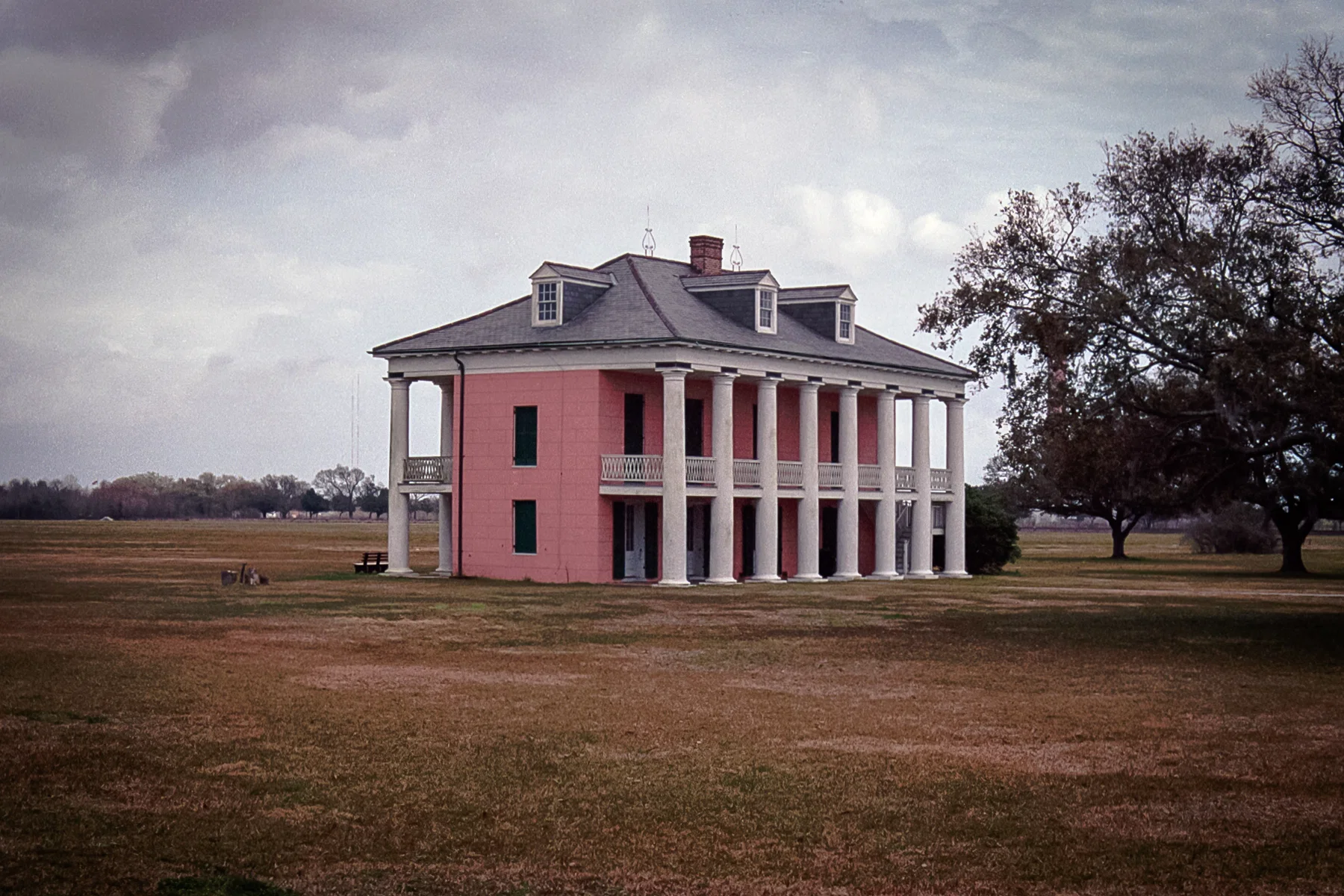
The Chalmette Battlefield and the Domino Sugar refinery corridor sit at the parish's northern edge, and the industrial employment tied to sugar processing and the oil refinery together forms a second, steadier demand driver alongside the retail base along W. Judge Perez. Any rent roll built on service-sector tenants alone should be checked against how much of that tenant base actually serves the refinery and industrial workforce specifically, since a downturn in that employment base would ripple through local retail and multifamily demand together.
Common 1031 Exchange Questions
Does refinery proximity affect financing on Chalmette industrial property?
Lenders often require a Phase I environmental assessment before funding, particularly on parcels adjacent to refinery operations. Ordering it as soon as the property is identified avoids a delay near the 180-day deadline.
Is newer post-2006 construction treated differently for exchange purposes?
Age does not affect like-kind status, but it does affect underwriting. Newer Chalmette buildings typically carry lower insurance costs, which changes the debt sizing an exchanger can plan around.
Can strip retail on W. Judge Perez replace apartment property sold elsewhere?
Yes, any type of real property held for investment can replace any other type. The exchanger should confirm the retail lease terms support the value being replaced.
How does the identification window work if both Chalmette and Arabi are being considered?
Both can be named on the same identification list under the three-property rule, or more properties can be added if the total value stays under 200% of the relinquished property's sale price.
Who confirms the exchange qualifies before closing on a Chalmette property?
The qualified intermediary structures the exchange and holds the funds, but confirming the specific tax treatment is the role of the exchanger's CPA or tax advisor, not the intermediary.