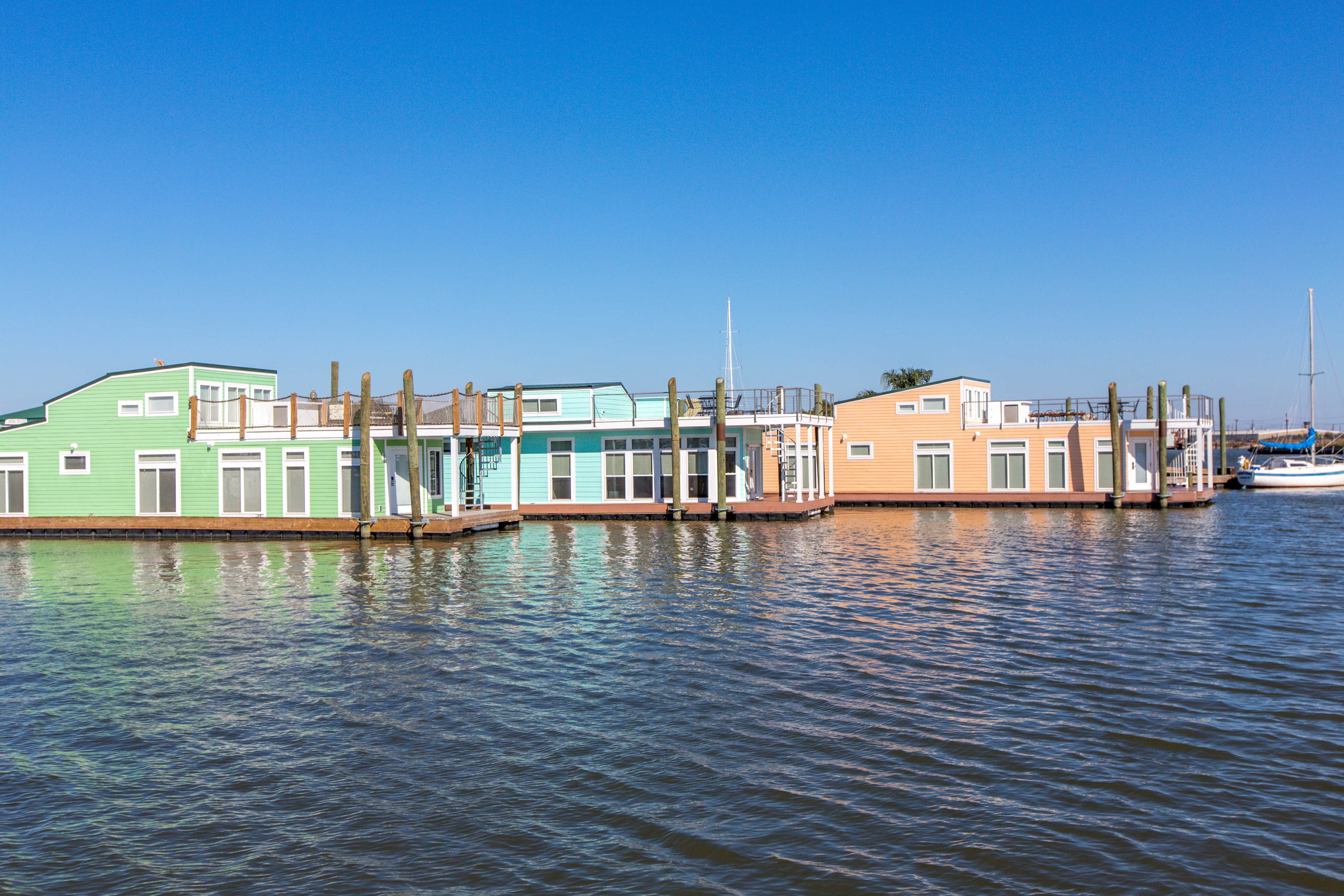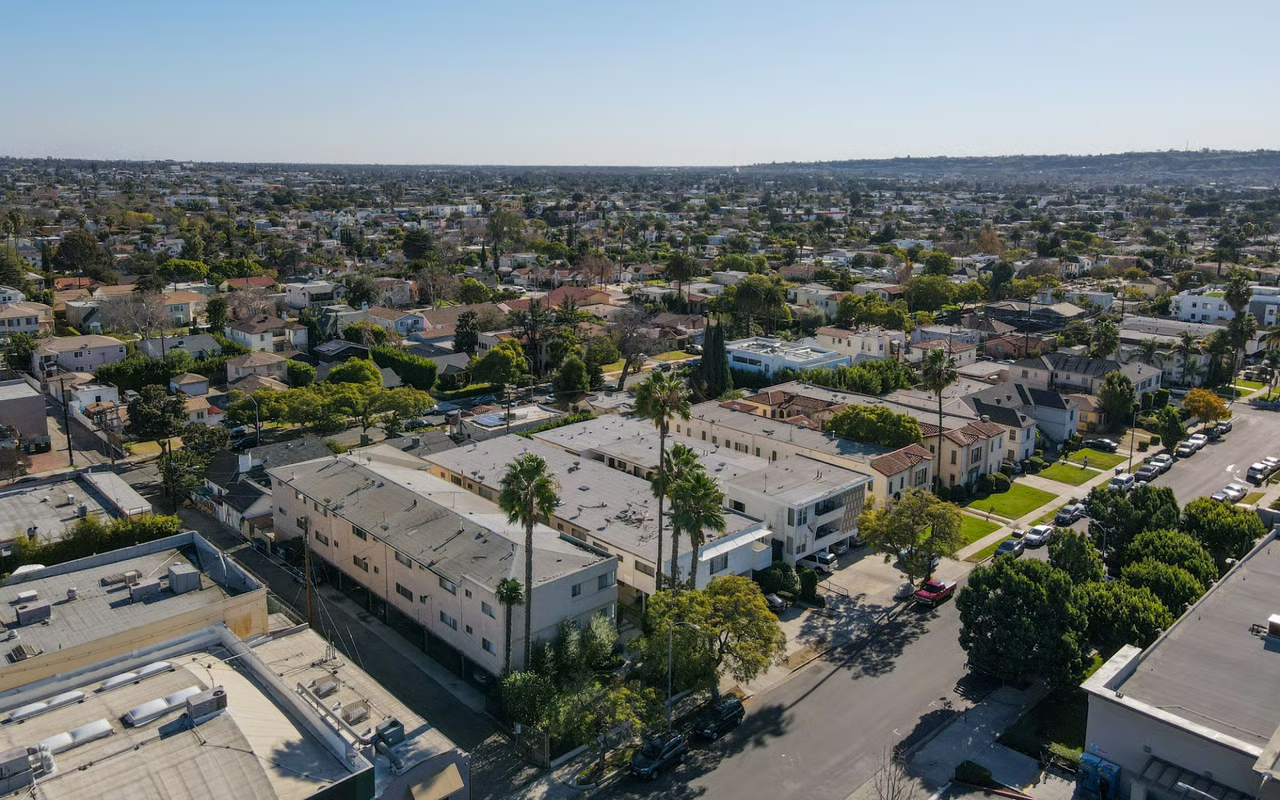
Multifamily is a broad label that covers everything from a Uptown double shotgun with two units to a two-hundred-unit garden apartment complex off Read Boulevard, and the New Orleans area has an unusually deep supply of the smaller end of that spectrum. Renting, rather than owning, has long been the default here for a larger share of the population than in many comparable Southern cities, a pattern tied partly to the cost and complexity of homeowners insurance in flood-prone parishes, which pushes some buyers toward renting instead.
The Range of Entry Points
A first-time multifamily buyer in this market often starts with a duplex or fourplex in Mid-City, Gentilly, or Algiers, properties small enough to qualify for owner-occupant or small-balance commercial financing. Moving up the scale, ten-to-fifty-unit properties require commercial lending and professional-grade underwriting, and above that, larger complexes typically trade to buyers with institutional or syndicated capital behind them. Each tier carries a different financing path, and conflating them, assuming a duplex loan program scales to a forty-unit deal, is one of the more common mistakes newer investors make.
Insurance Is the Line Item That Changes Everything
A multifamily property's expense ratio in Orleans, Jefferson, or St. Bernard Parish is shaped heavily by whether the building sits in a mapped flood zone and what its windstorm exposure looks like. Two otherwise comparable properties, one in Uptown on higher ground, one in New Orleans East closer to the lake, can carry insurance costs that differ by tens of thousands of dollars a year, which flows straight into net operating income and, from there, into what the property is actually worth.
Rent Growth and Tenant Demand Drivers
Demand for rental units locally is tied to tourism and hospitality employment, the medical corridor around the Tulane and LSU health sciences campuses, and a steady stream of students and young professionals who rent by preference rather than necessity. Neighborhoods near those employment centers, the Central Business District, Mid-City, and pockets of Uptown, have generally supported steadier rent growth than more peripheral submarkets, though rent growth alone doesn't offset a poorly underwritten insurance line.
Seasonal tourism employment also means a share of local renters have variable income tied to convention and festival calendars, which shows up in collections data as more month-to-month volatility than a stable nine-to-five workforce would produce. Underwriting a property's rent roll against actual collections history, not just gross scheduled rent, matters more here than in a market with a flatter employment base.
Multifamily as 1031 Replacement Property
Multifamily property held for investment is a common 1031 exchange replacement choice because it's a familiar asset class to most buyers and financing is generally available across a wide range of deal sizes. An investor exchanging out of a single-tenant retail property, for instance, might trade into a small apartment building to diversify tenant risk across many renters instead of one commercial lease, though that trade also brings on more active management than a net-leased asset requires.
Timing matters too. A duplex or fourplex purchase can often close well inside a 180-day window, while a larger complex needing a full commercial loan underwriting cycle may need financing pre-arranged before the 45-day identification deadline even arrives, which is worth mapping out before narrowing a shortlist.
Common 1031 Exchange Questions
What counts as multifamily property for a 1031 exchange?
Any residential rental property with more than one unit held for investment, from a duplex to a large apartment complex, generally qualifies as like-kind replacement property, provided it isn't a personal residence.
Why is renting more common than owning in parts of the New Orleans area?
Several factors contribute, including flood insurance costs that make homeownership more expensive in low-lying parishes, a large hospitality workforce with variable income, and a housing stock with a high share of smaller multi-unit buildings historically built for renters.
Does flood zone location significantly affect multifamily insurance costs here?
Yes, often substantially. Properties in mapped flood zones near the lake or river can carry insurance premiums many times higher than comparable buildings on higher ground, and that difference has a direct effect on net operating income.
What size multifamily property is easiest for a first-time investor to finance?
Duplex through fourplex properties often qualify for more accessible small-balance or owner-occupant financing programs, while anything above four units generally requires commercial underwriting with different loan terms.
Can a small multifamily property be identified as replacement property in a 1031 exchange?
Yes, as long as it's held for investment or business use. Investors should still confirm the identification and closing timelines align with financing that can realistically close on a smaller commercial loan.