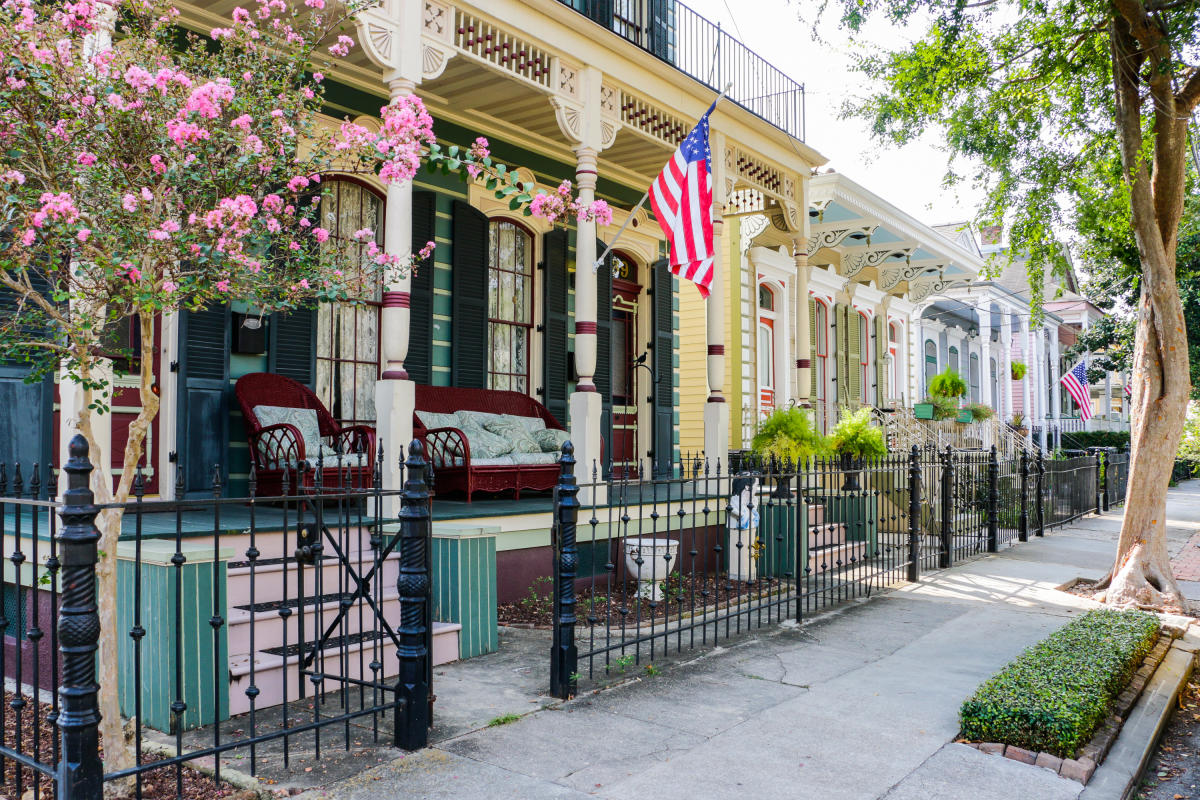
A turnkey rental property is sold on a simple promise: the renovation is done, a tenant is already in place or ready to move in, and a buyer can close and start collecting rent without lifting a hammer. Around New Orleans that promise gets tested fast, because a house that looks finished on a walkthrough in July can reveal problems the first time a named storm rolls through in September. Buyers who treat turnkey as a guarantee rather than a starting point tend to be the ones surprised by their first insurance renewal.
What a Turnkey Package Usually Includes
Most turnkey providers in this market bundle a renovated property, a signed or pending lease, and a property management contract into a single purchase. The pitch is passive income from day one, and for a buyer who doesn't want to source contractors or vet tenants themselves, that bundling has real value. What's less visible in the listing photos is the age and condition of the roof, the electrical panel, and the plumbing behind the drywall, items a cosmetic renovation in Gentilly or New Orleans East can paper over without actually replacing.
Where the Numbers Need a Second Look
A turnkey seller's pro forma typically shows gross rent minus a management fee and calls the rest cash flow. Left out more often than it should be: flood insurance on top of standard hazard coverage, a windstorm deductible that can run five figures on a single claim, and a capital reserve for a roof or HVAC system that's already ten years into a fifteen-year life. A buyer comparing a turnkey duplex in Algiers to one in a dry inland market needs to underwrite the New Orleans version with a meaningfully thicker insurance and maintenance line before the two numbers are actually comparable.
Vetting the Seller Before Vetting the Property
Because the renovation is already finished by the time a buyer sees it, the seller's track record matters more than it would in a normal purchase. Asking for the contractor's scope of work, permit records from the city, and a few past buyer references separates an operator who does real structural work from one who repainted and re-listed. A property with permitted electrical and plumbing work carries a very different risk profile than one where the seller can't produce the paperwork.
Turnkey as a 1031 Replacement Property
An owner who sold appreciated investment real estate and is running a 1031 exchange can use a turnkey purchase as replacement property, and the built-in tenant and management contract can help meet the 45-day identification and 180-day closing deadlines without a long vacancy gap. The tradeoff is that an exchange buyer has less time to negotiate repairs or renegotiate price after a bad inspection than a buyer working outside exchange deadlines, so due diligence has to move faster without getting skipped.
Neighborhood Matters More Than the Listing Suggests
Two turnkey duplexes at the same price point can carry very different risk depending on elevation and drainage history alone. A property a few blocks apart in Gentilly can sit on either side of a meaningful difference in base flood elevation, which changes both the insurance quote and the odds of a claim down the road. Buyers working from out of state, which describes a large share of turnkey purchasers, should ask a local agent or inspector about a specific block's flood and drainage history rather than relying on a citywide reputation, good or bad, that doesn't hold evenly across every neighborhood.
Rent comparables deserve the same block-level scrutiny. A management company's projected rent for a turnkey unit in Marrero should be checked against actual signed leases on comparable units nearby, not just a citywide average that can smooth over real differences between a strong rental pocket and a soft one two streets away.
Common 1031 Exchange Questions
Is a turnkey rental actually passive income?
It's closer to passive than a full renovation project, but not hands-off. An owner still has to review the property manager's reports, approve larger repairs, and stay current on insurance renewals, which move often in this market.
What should you check before buying a turnkey rental in this area?
Ask for permit records on the renovation, the age of the roof and mechanical systems, current flood and windstorm insurance quotes, and the actual lease terms rather than a projected rent figure.
Can you use a turnkey property as 1031 exchange replacement property?
Yes, a turnkey rental qualifies as like-kind replacement property as long as it's held for investment. The existing tenant and management contract can make it easier to close inside the 180-day window.
Why do insurance costs matter more here than in other markets?
Most of the metro area requires flood insurance in addition to standard hazard coverage, and windstorm deductibles are often calculated as a percentage of the dwelling value rather than a flat dollar amount, which changes the real return on a turnkey purchase.
Should you still get an independent inspection on a turnkey property?
Yes. A seller-provided renovation summary is not a substitute for an independent inspection, particularly on the roof, foundation, and any electrical or plumbing work that isn't visible without opening walls.