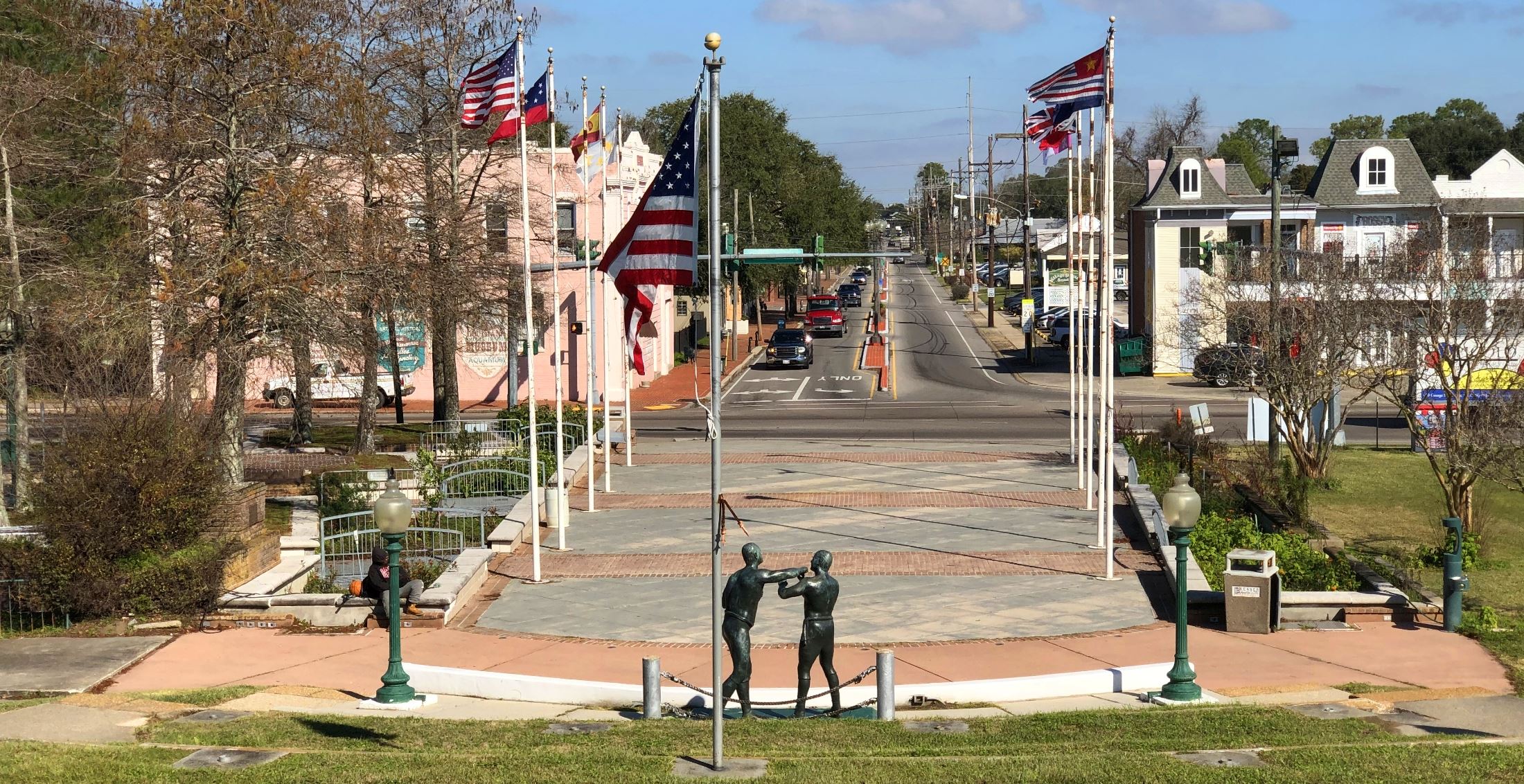
Real estate investing for beginners tends to start with a number, some savings, an inheritance, equity pulled from a primary home, and a question about what that number can buy. In the New Orleans area the honest answer depends less on the price of a house and more on what it costs to insure and maintain once the deed is signed. A first-time buyer in Metairie comparing a duplex to a single-family rental in Chalmette is really comparing two different insurance and cash flow profiles, not just two purchase prices.
Deciding What Kind of Investor to Be First
Before looking at listings, it helps to separate two different goals that often get treated as the same thing: monthly cash flow and long-term appreciation. A shotgun house in an up-and-coming pocket of Bywater might barely cash flow today but carries real upside if the neighborhood keeps changing. A duplex in a stable rental corridor of Kenner might throw off steadier income with less appreciation. Neither answer is wrong, but a beginner who doesn't pick one tends to end up disappointed by whichever number they weren't actually optimizing for.
Financing a First Investment Property
Lenders generally require a larger down payment on an investment property than a primary residence, often twenty to twenty-five percent, and they'll want to see reserves beyond the down payment itself. A first-time buyer should get a quote for flood and windstorm coverage before making an offer, not after, since a property that looks affordable on paper can become a much tighter deal once full insurance costs are added to the underwriting.
The Ownership Costs Nobody Mentions at First
Older housing stock across Orleans and Jefferson Parish, much of it built well before modern flood elevation standards, tends to need roof, electrical, and plumbing work sooner than newer construction elsewhere. A beginner's budget should include a real maintenance reserve, not just a mortgage payment and a rough guess at rent. Property management, where used, typically runs eight to ten percent of collected rent, and that cost belongs in the return calculation from the start.
Where a 1031 Exchange Enters the Picture Later
A first property purchased today isn't an exchange yet, but the strategy matters for anyone planning to hold and eventually sell. Once a property has appreciated and an owner is ready to move up or out of active management, a 1031 exchange lets the proceeds roll into another property, or into a passive structure like a DST, without triggering capital gains tax at the time of sale. Understanding this option before the first purchase helps a beginner choose a property that will actually work as a future relinquished asset.
Building a Team Before the First Closing
A beginner rarely needs a large team on day one, but three relationships pay off early: a lender who actually closes investment property loans regularly rather than occasionally, an insurance broker who understands flood zone mapping across Orleans and Jefferson Parish, and a contractor willing to do a pre-purchase walkthrough for a modest fee before an offer goes in. Skipping the contractor walkthrough to save a few hundred dollars is one of the more common regrets first-time buyers in Slidell or Covington mention after the first year of ownership, once a roof or HVAC issue surfaces that a full inspection would have flagged.
None of this needs to happen before a first offer is written, but it should happen before an offer is accepted, since the option period after acceptance is usually the only real window to walk away cleanly if something serious turns up.
Common 1031 Exchange Questions
How much money do you need to start investing in real estate here?
Beyond a twenty to twenty-five percent down payment on most investment property loans, a beginner should budget for flood and windstorm insurance, closing costs, and a maintenance reserve, all of which run higher in this market than in many inland areas.
Should a beginner buy a single-family rental or a small multifamily property?
A small multifamily property, like a duplex, spreads vacancy risk across more than one unit and often has a better income-to-price ratio, but it also comes with more tenants to manage. A single-family rental is simpler to finance and manage for a first purchase.
What's the biggest financial mistake first-time investors make locally?
Underestimating insurance costs. A property that cash flows on a national rule of thumb can lose most of that margin once flood coverage, windstorm deductibles, and standard hazard insurance are added together.
When does a 1031 exchange become relevant for a new investor?
Not on the first purchase, but once a property has appreciated and the owner wants to sell and reinvest without a current tax bill. It's worth understanding the rules early so a future sale can be planned for rather than reacted to.
Is it better to self-manage a first rental property?
Many first-time owners self-manage to learn the market, but that only works if they have the time to handle maintenance calls and tenant issues directly. A manager becomes worth the fee once the workload outpaces the owner's available time.